Sunday, October 4, 2026

RN

Right News

Foreign Policy

Cornered and Collapsing: The Iranian Regime Faces a Strategic Dead End

As the Islamic Republic’s economy crumbles under the weight of its own aggression, Tehran’s leadership is paralyzed by internal power struggles and a failing strategy of maritime e

Foreign PolicyPublished July 21, 2026 at 2:36 PM
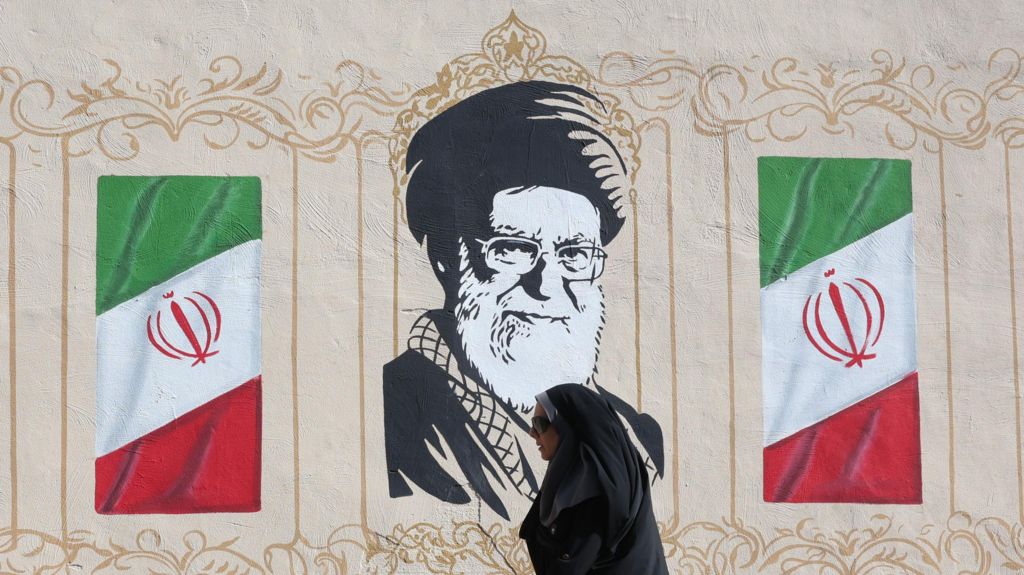
An Iranian woman walks past a mural of on a street in Tehran, Iran, 15 July 2026.

The Iranian regime is running out of options as its campaign of maritime terrorism in the Strait of Hormuz fails to yield the results its leaders crave.

Tehran finds itself caught in a strategic vice: it can either capitulate to American demands—ending its nuclear ambitions and halting its attacks on global shipping—or continue a path of escalation that risks total military confrontation. For the mullahs, surrender is a political death sentence, as it would expose their 'deterrent' as a hollow bluff.

Yet, the alternative of continued aggression is driving the Iranian economy into the ground. Inflation is rampant, essential services like power and water are failing, and the average citizen is paying the price for the regime’s ideological obsession with regional dominance.

The internal power structure, once held together by the iron fist of the late Supreme Leader, is now fractured. With the rise of Mojtaba Khamenei, the competing interests of the Revolutionary Guards, elected officials, and hardline clerics have created a paralysis in decision-making.

While the regime attempts to project strength, the reality on the ground is one of decay. By weaponizing the Strait of Hormuz, Iran has only succeeded in incentivizing the world to find alternative energy routes, potentially rendering their most prized piece of leverage obsolete.

The regime’s survivalist strategy of 'endurance' is nothing more than a slow-motion collapse, and as the pressure mounts, the question is no longer if the system will break, but who will be left to hold the pieces when it does.

Tags

iranforeign-policystrait-of-hormuznational-securitymiddle-east

More in Foreign Policy

A Ukrainian service worker inspects a large hole in the concrete road on the Pivnichnyi Bridge.
Foreign Policy2h ago

Moscow Intensifies Brutal Drone Campaign Against Kyiv Infrastructure

Russian drone strikes have targeted Kyiv's vital infrastructure for four consecutive days, prompting a defiant response from German leadership and a massive new commitment of military support.

Technicians repair overhead trolleybus power lines that was damaged following an attack on the Pivnichnyi (Northern) Bridge in Kyiv, Ukraine. Photo: 3 October 2026
Foreign PolicyYesterday

Moscow Escalates War by Targeting Kyiv's Critical Infrastructure

Russian forces have expanded their campaign against Ukraine by striking key bridges in Kyiv, aiming to disrupt military logistics and pressure the Ukrainian government.

South Korea's Tom Kim at the Asian Games
Foreign PolicyYesterday

Golfer Tom Kim Secures Military Service Exemption After Asian Games Victory

Tom Kim successfully bypassed South Korea's mandatory military service requirement by winning gold at the Asian Games, allowing him to continue his professional golf career without interruption.