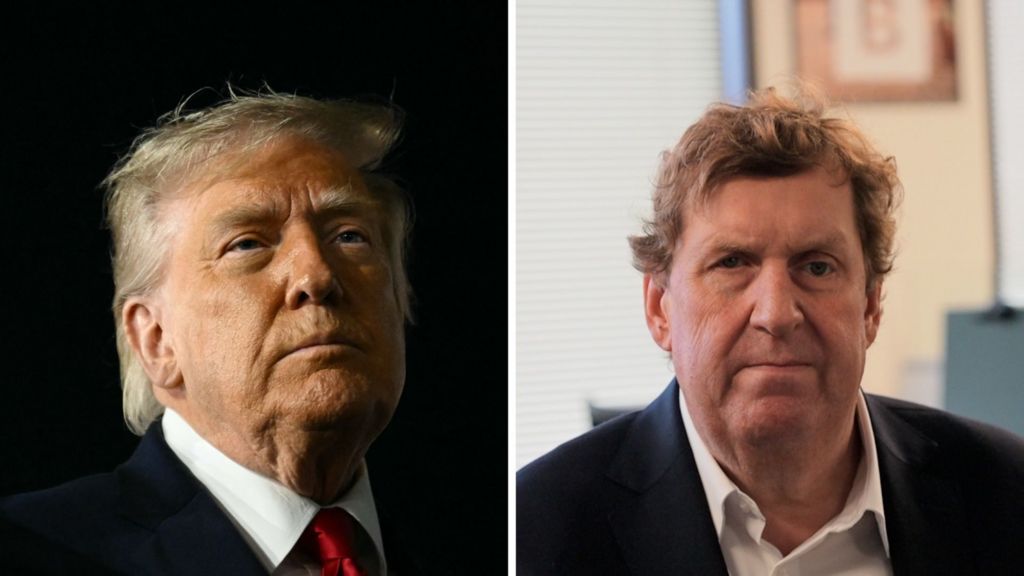
A 10-day ceasefire between Israel and Lebanon is now in effect, a development announced by President Donald Trump following direct negotiations in Washington. The agreement, which began on April 16, serves as a gesture of goodwill intended to foster potential long-term peace.
Crucially, the terms of the deal explicitly preserve Israel’s right to take necessary measures in self-defense against any planned or ongoing attacks.
Furthermore, Israel has made it clear that its military will remain stationed 10 kilometers deep into southern Lebanon to maintain a security zone, underscoring that the truce does not equate to a full withdrawal.
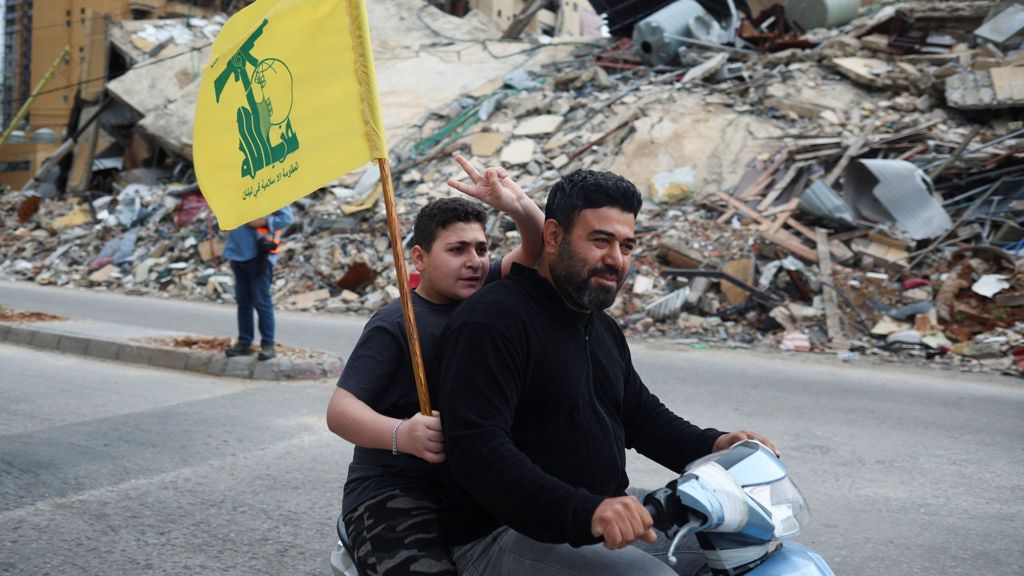
While the Lebanese government is now tasked with preventing Hezbollah and other rogue groups from launching attacks, the Iran-backed militant organization remains a wild card, signaling its own conditions for a permanent end to hostilities.
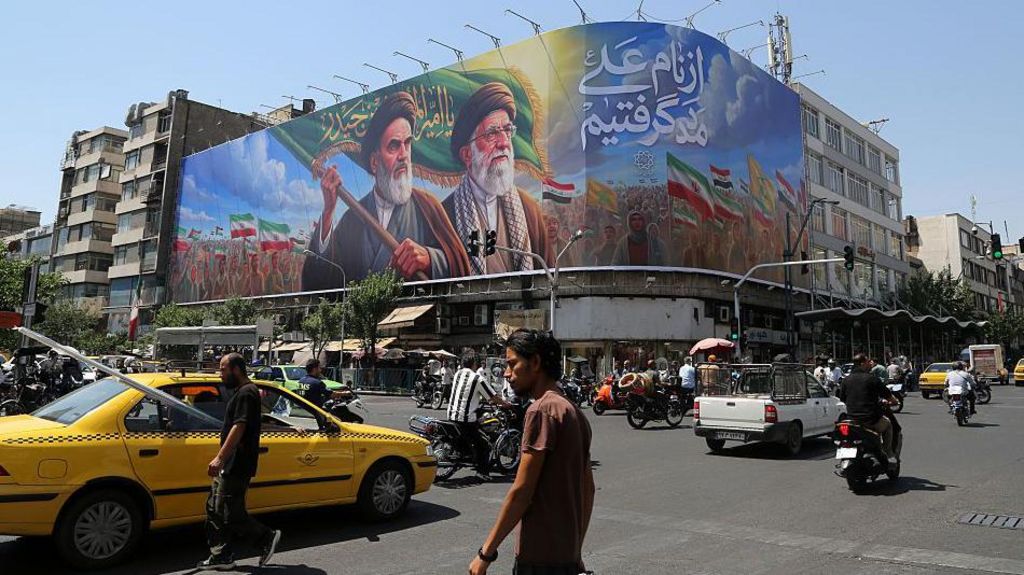
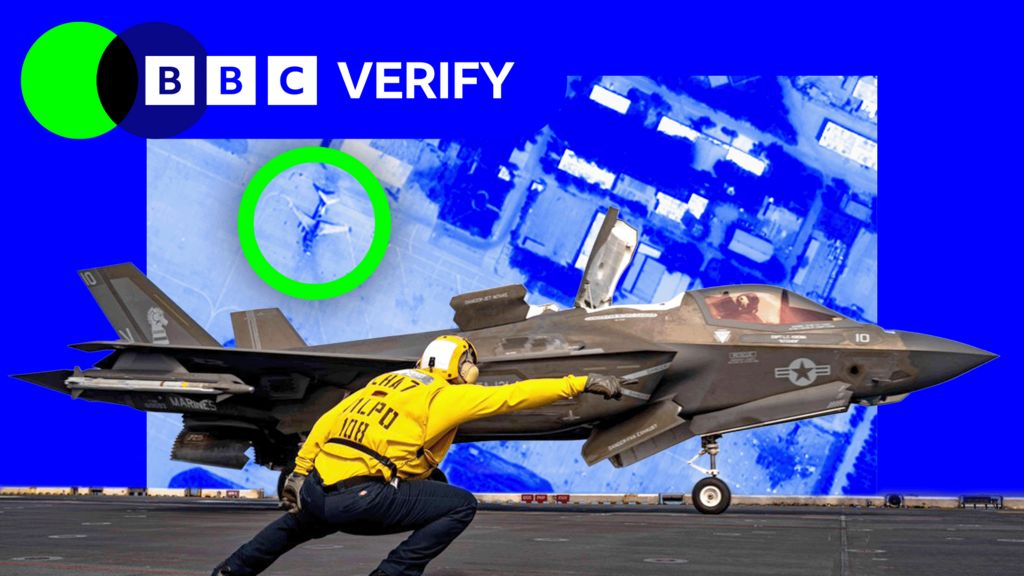
Meanwhile, the United States continues to exert pressure on the Iranian regime, maintaining a naval blockade on Iranian ports until broader diplomatic transactions are finalized.
While Iran has declared the Strait of Hormuz open for the duration of this ceasefire, the situation remains fluid as the international community watches to see if this temporary pause can lead to a lasting security arrangement that secures Israel’s borders.
Tags