Friday, July 31, 2026

RN

Right News

Foreign Policy

US-Iran Talks Yield Roadmap as Trump Administration Seeks Regional Stability

Negotiators target a 60-day deal to end hostilities while Iran agrees to de-confliction measures in the Strait of Hormuz.

Foreign PolicyPublished June 22, 2026 at 10:46 AM
Two figures in silhouette shake hands with a lake visible behind them, at talks in Switzerland between the US and Iran

The first round of negotiations between the United States and Iran in Switzerland has concluded with mediators from Qatar and Pakistan reporting progress toward a formal roadmap to end regional hostilities within 60 days.

Vice-President JD Vance, leading the US delegation, stated that the Trump administration is prepared to fundamentally transform the relationship with Tehran, provided the regime ceases its role as a primary driver of regional instability and abandons its long-term nuclear weapons ambitions.

As part of the initial framework, the parties have established a communication line to ensure safe passage for commercial vessels through the Strait of Hormuz and a de-confliction cell to manage military operations in Lebanon.

While Iran has claimed to have closed the Strait of Hormuz, maritime tracking data indicates that commercial traffic continues to flow. The agreement includes provisions for the lifting of certain sanctions and a reconstruction plan, though the critical issue of Iran’s nuclear program remains a subject for future negotiation.

Meanwhile, the Israeli military continues its operations in southern Lebanon, with Prime Minister Benjamin Netanyahu maintaining that forces will remain as long as necessary to secure Israel’s northern border against Hezbollah, a group the Israeli military identifies as operating from extensive underground fortifications.

The administration’s approach signals a shift in strategy, aiming to leverage diplomatic pressure to force a change in Iranian behavior while maintaining a firm stance on regional security.

Tags
foreign-policyiranmiddle-easttrump-administrationnational-security

More in Foreign Policy

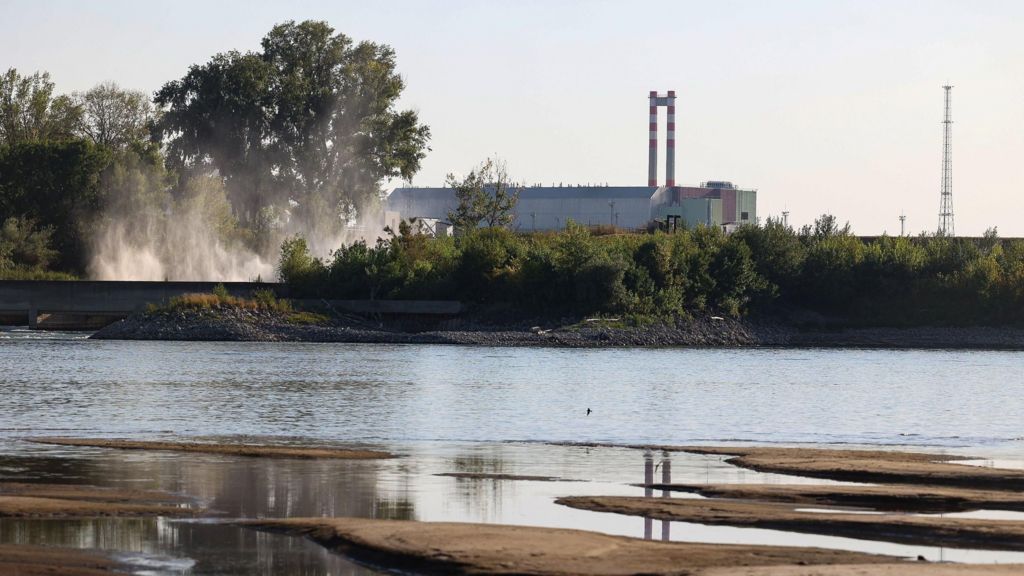
The MVM Paks Nuclear Power Plant
Foreign Policy10h ago

Danube drought forces shutdown of Hungary's nuclear power grid

Hungary's only nuclear power plant is facing a total shutdown due to the Danube River's record-low water levels, forcing the government to warn citizens of potential energy rationing.

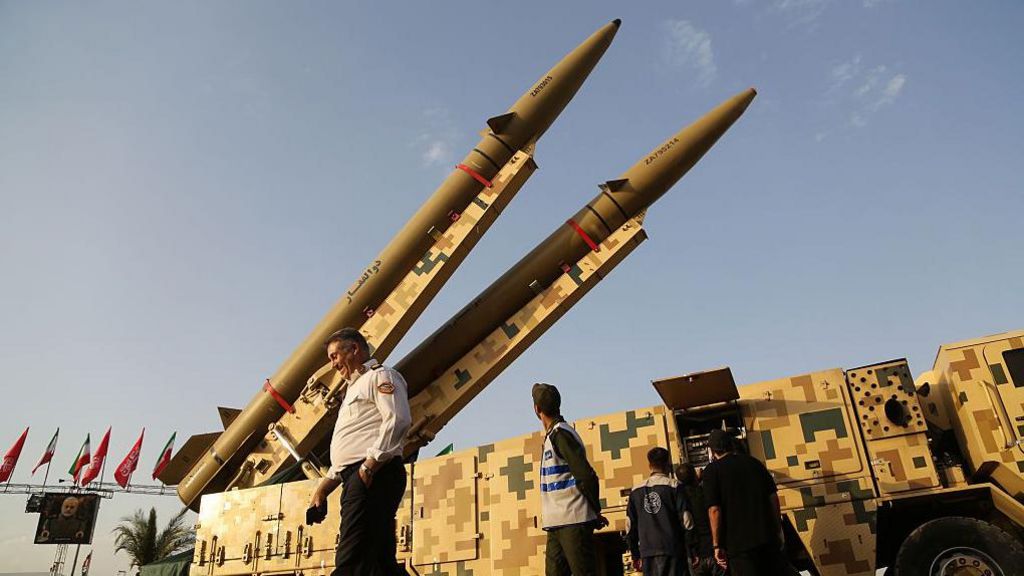
Missile launchers in a square in Iran.
Foreign Policy11h ago

Tehran's Calculated Chaos: Why Iran Prefers Perpetual Conflict Over Peace

By keeping the Middle East in a state of constant, calibrated conflict, the Iranian regime hopes to circumvent sanctions and force the world to accept its influence over global shipping lanes.

Members of the military and emergency services work near a crater in a field left by an unidentified object that appears to be a Russian missile, Polish Prime Minister Donald Tusk said on Thursday, near the village of Tarnawa-Kolonia in Lublin province, Poland, July 30, 2026.
Foreign Policy12h ago

Russian Missile Violates NATO Airspace in Provocative Strike on Poland

Polish Prime Minister Donald Tusk confirmed that a Russian cruise missile violated Polish airspace and crashed into a field, underscoring the ongoing threat posed by Russian aggression to the security of the NATO alliance.