The ceasefire in Lebanon has arrived not with peace, but with the sound of sirens and incoming rocket fire. As the agreement took effect, northern Israeli cities like Nahariya were forced to deploy air defenses to intercept Hezbollah projectiles, leaving citizens wounded and frustrated.
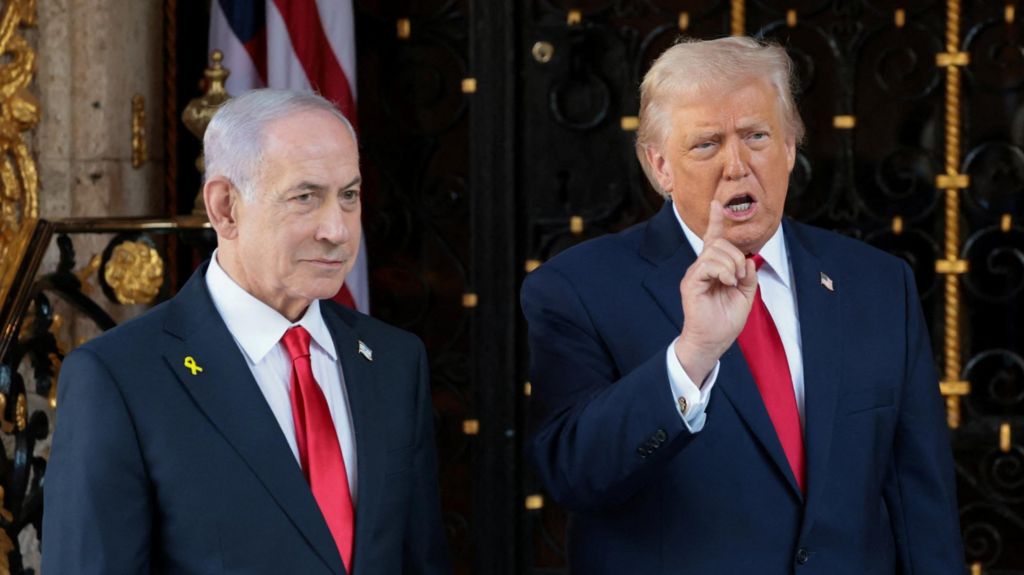
The sudden nature of the truce, reportedly pushed by the Trump administration, has caught the Israeli public and even members of the security cabinet off guard. Many Israelis feel betrayed, viewing the move as a capitulation to Washington that fails to address the existential threat posed by the Iranian-backed terror group.
While Netanyahu insists that Israel will maintain a 'thickened security zone' and has not conceded to Hezbollah's demands for total withdrawal, the sentiment on the ground is one of profound doubt.
Critics, including former IDF Chief of Staff Gadi Eisenkot, argue that the government is failing to translate hard-won military gains into lasting security, instead allowing ceasefires to be imposed from abroad.
With polls showing the vast majority of Israelis support continued strikes against Hezbollah, the government now faces the difficult task of justifying a pause in operations that many believe only serves to provide a lifeline to a terrorist organization that has yet to be disarmed.
Tags