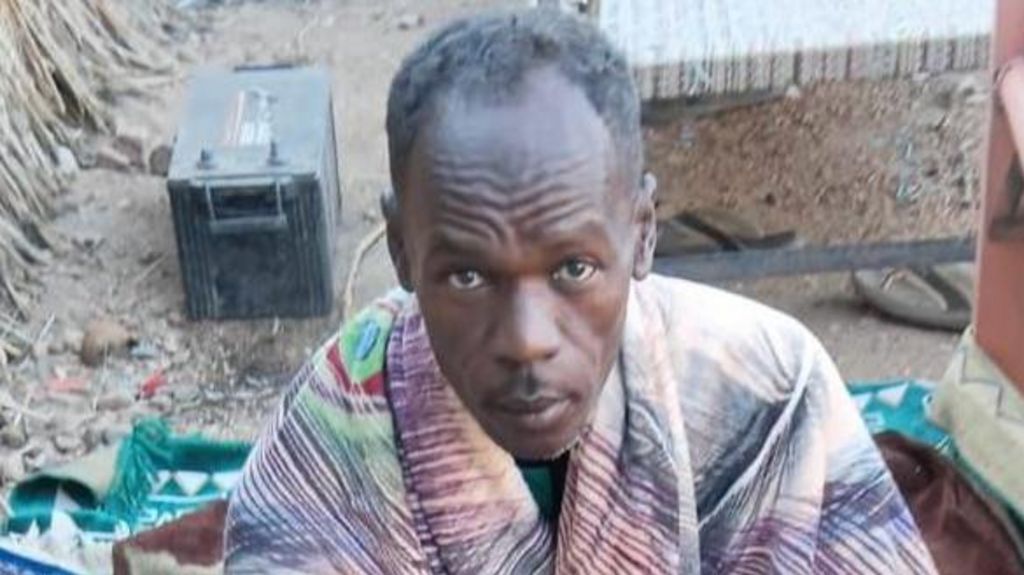
The civil war in Sudan, now entering its fourth year, has decimated the nation as the military and the Rapid Support Forces (RSF) paramilitary group continue their power struggle. Journalist and academic Mohamed Suleiman, who recently escaped the besieged city of el-Fasher, describes a landscape of total destruction and systematic violence.
For 18 months, el-Fasher endured a brutal siege by the RSF, resulting in what Suleiman described as a 'Day of Judgment' when the city finally fell in October. Civilians were left to navigate a hellscape of drone strikes, artillery fire, and famine, often forced to abandon their own children in the streets due to extreme hunger and exhaustion.
The conflict has effectively partitioned the country, displacing millions and creating a humanitarian crisis that the international community has proven incapable of resolving. Diplomatic initiatives, including those led by the United States and regional powers, have failed to produce a lasting ceasefire or meaningful aid.
Despite the UN’s massive financial appeals, only a fraction of the necessary funding has been secured, leaving the population to suffer under the weight of both the warring factions and bureaucratic incompetence. While the RSF claims to be investigating 'individual violations,' the reality on the ground remains a testament to the total breakdown of order.
Suleiman, who survived by hiding in trenches and under beds, now faces the indignity of a sluggish government bureaucracy as he attempts to regain his identity documents. His testimony serves as a grim reminder that while global powers talk of peace, the reality for the Sudanese people is a fight for survival in a country torn apart by internal warfare.
Tags