Reader Edition

Foreign Policy

Iran’s IRGC Hardliners Threaten Global Economy by Seizing Control of Strait of Hormuz

Tehran is drafting legislation to formalize its illegal maritime piracy, treating a vital global shipping lane as a weapon against the United States.

Foreign PolicyPublished April 19, 2026 at 9:09 PMProcessed April 19, 2026 at 10:10 PM
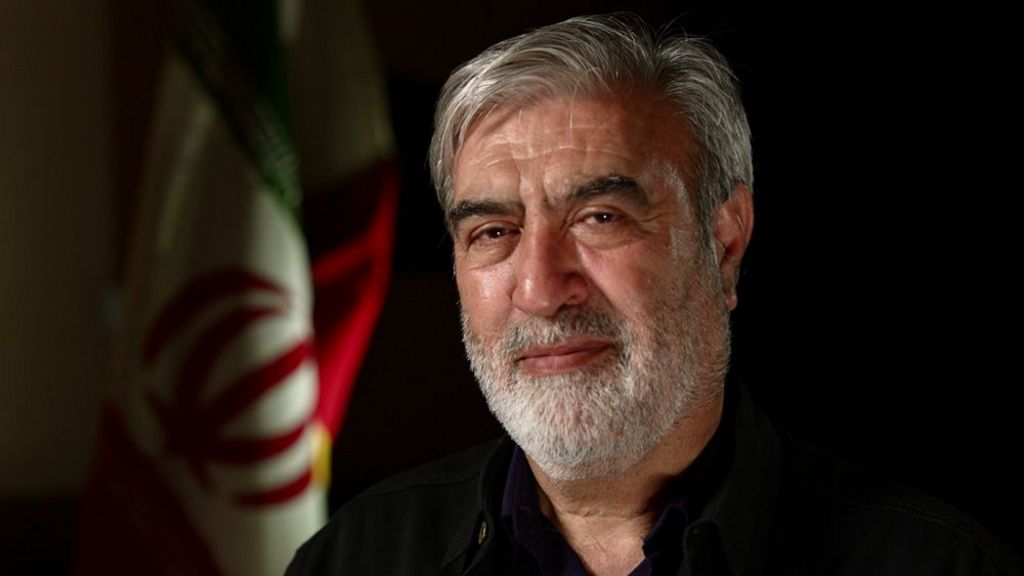
A man with a grey beard and hair looks into the camera. He is wearing a black shirt and behind him is the Iranian flag.

The rogue regime in Tehran is doubling down on its campaign of maritime extortion, with senior officials confirming that Iran intends to formalize its illegal control over the Strait of Hormuz.

Ebrahim Azizi, a former commander in the Islamic Revolutionary Guards Corps (IRGC) and current head of the parliamentary Committee for National Security and Foreign Policy, explicitly stated that Iran will dictate passage through the critical waterway.

The regime is moving to codify this piracy into law, using the guise of national security and environmental safety to justify the deployment of IRGC naval forces to police the strait. This is not a temporary tactical maneuver but a long-term strategy to weaponize global energy transit against the United States and its allies.

While the regime attempts to frame its aggression as a defense of national sovereignty, regional neighbors like the United Arab Emirates have correctly identified these actions as hostile piracy that sets a dangerous global precedent.

Despite internal friction within the Iranian government—highlighted by a failed attempt by the Foreign Minister to claim the strait was open—the hardliners in the IRGC remain in total command.

As the U.S. continues to demand the reopening of this vital corridor, Tehran’s leadership continues to resort to anti-American rhetoric and digital censorship to maintain its grip on power, while simultaneously crushing domestic dissent with lethal force.

The regime’s message is clear: they view international law as an obstacle to be discarded in their pursuit of geopolitical leverage.

Tags
iranirgcstrait-of-hormuzforeign-policynational-security

More in Foreign Policy

US President Donald Trump stands outside the Oval Office
Foreign Policy12h ago

Trump Holds Firm: No End to Hormuz Blockade Until Iran Agrees to Terms

President Trump has declared that the U.S. will maintain its decisive blockade on Iranian ports until a favorable deal is reached, asserting that the strategy is successfully crippling the regime.

Petrol drips out of a fuel hose at a petrol station in Saint-Etienne-de-Montluc, western France, on 15 April, 2026.
Foreign Policy13h ago

Trump Intercepts Iranian Cargo Ship as Tehran Threatens Global Energy Supplies

Oil prices surged above $94 per barrel after President Trump announced the seizure of an Iranian cargo ship, a direct response to Tehran's illegal blockade of the Strait of Hormuz.

An Israeli soldier uses an implement to hit the face of an upturned statue of Jesus Christ in south Lebanon (April 2026)
Foreign Policy15h ago

IDF Vows Accountability After Soldier Caught Vandalizing Religious Statue in Lebanon

The Israel Defense Forces have confirmed the authenticity of an image showing a soldier vandalizing a religious statue in southern Lebanon and have pledged to take appropriate disciplinary action against those responsible.