The security situation in Mali has reached a breaking point as Russian-backed Africa Corps mercenaries scramble to hold back a massive, coordinated offensive by jihadist and Tuareg separatist forces.
The violence, which has plagued the region for over a decade, reached a new level of intensity this past weekend when rebels successfully targeted the residence of Malian Defense Minister Sadio Camara. The attack, which involved a suicide vehicle-borne improvised explosive device, leveled the minister's home and resulted in his death.
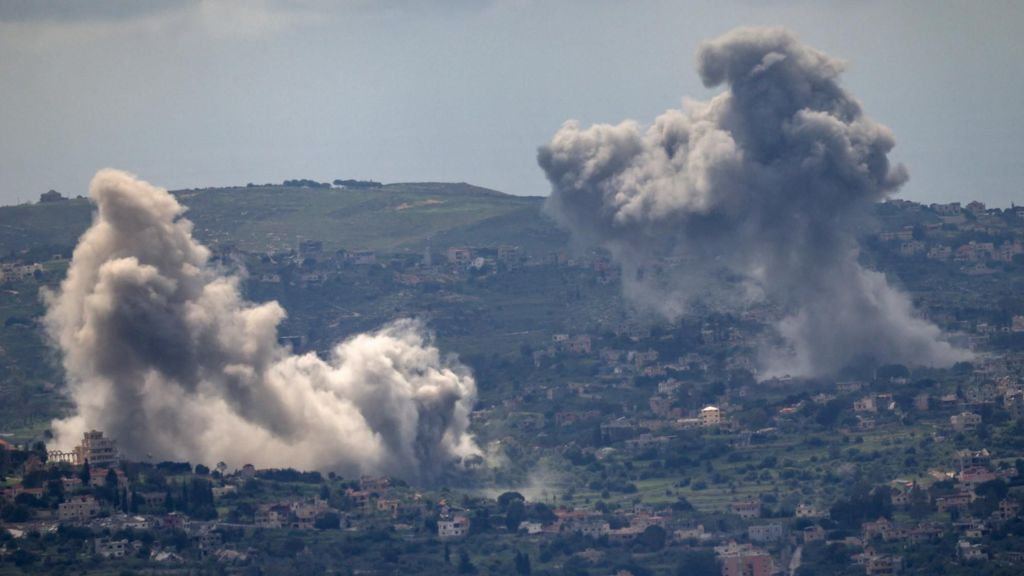
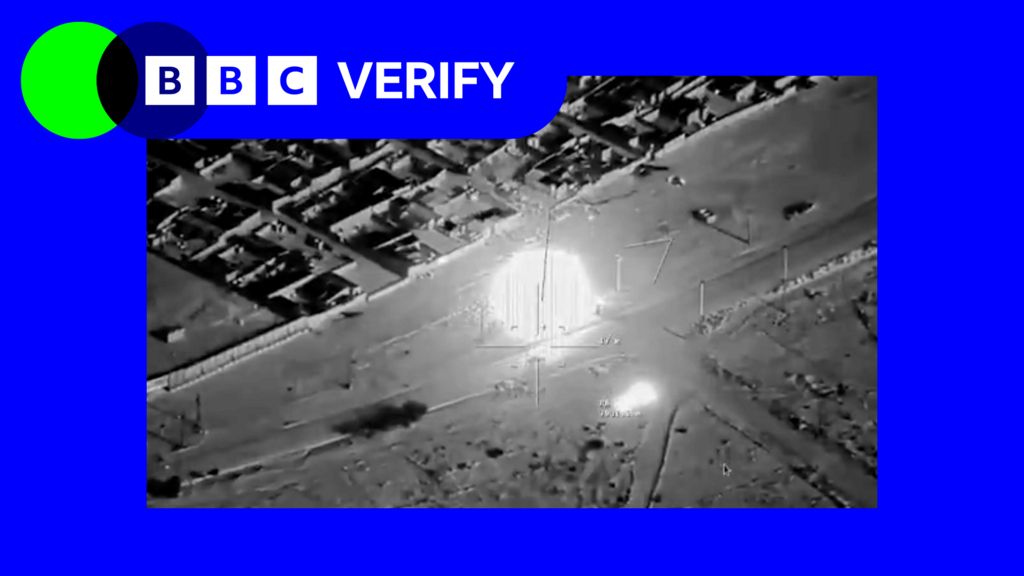
In response, Russian paramilitary forces—the Kremlin-controlled successor to the Wagner Group—launched a series of airstrikes and helicopter attacks against rebel convoys near the capital of Bamako. Despite this show of force, the reality on the ground is grim for the Malian military government.
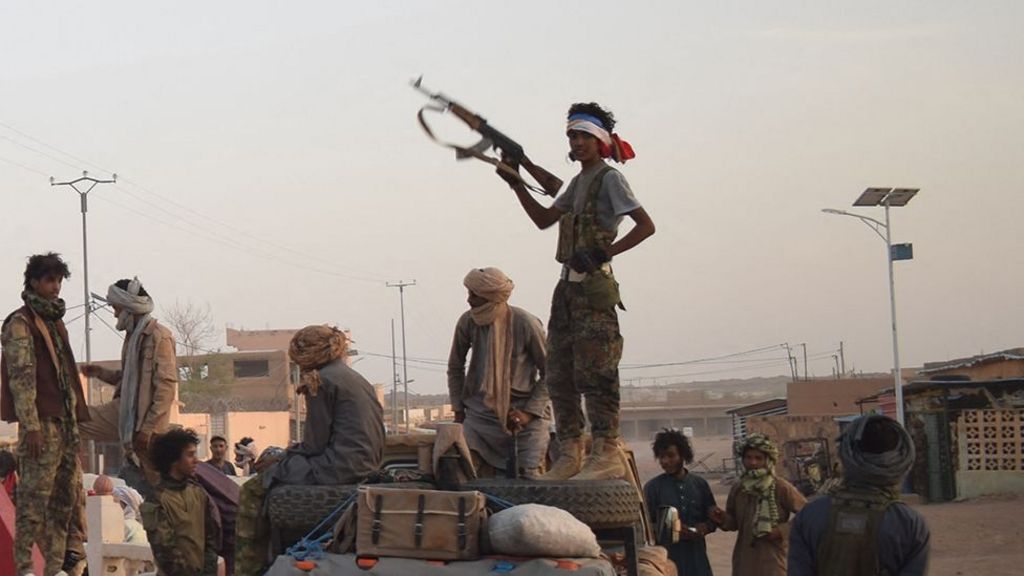
The Africa Corps has confirmed its withdrawal from the strategic northern base of Kidal, leaving behind armored personnel carriers and other heavy equipment that is now being paraded by insurgent forces. This retreat, coupled with the abandonment of the town of Tessalit, signals a significant loss of control for the junta that seized power in 2020.
While Moscow’s mercenaries continue to trade security services for access to Mali’s natural resources, their inability to arrest the momentum of groups like JNIM and the Azawad Liberation Front raises serious questions about the efficacy of the Russian security model.
As rebels shift their strategy from rural skirmishes to targeting major urban centers, the stability of the Malian government remains in extreme jeopardy.
Tags