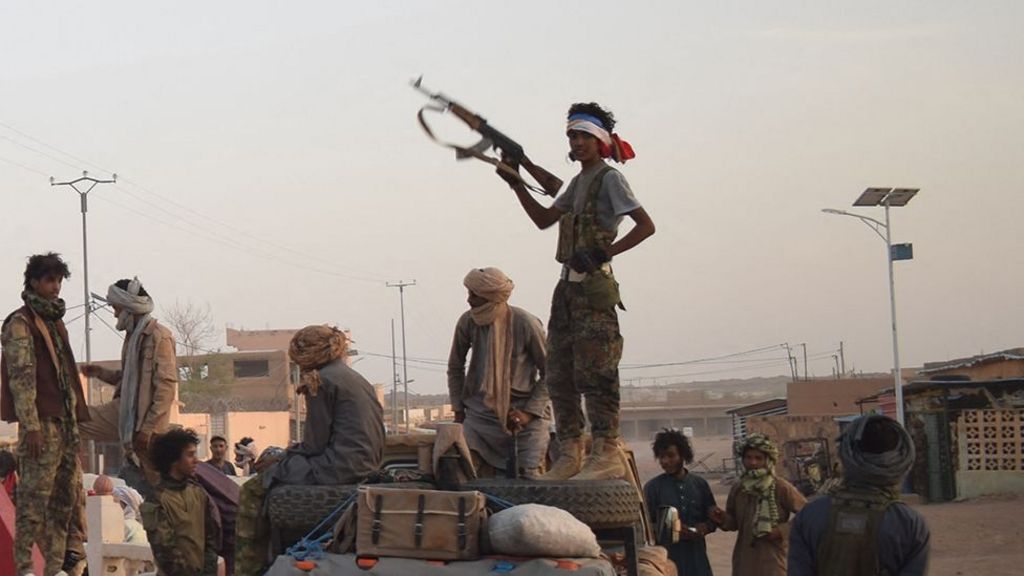
The military junta in Mali, led by Col. Assimi Goïta, is facing its most significant challenge since seizing power in 2020 after a coordinated offensive by the Azawad Liberation Front and the al-Qaeda-affiliated JNIM group.
The terrorists successfully infiltrated the capital, Bamako, and assassinated the nation's defense minister, while simultaneously seizing control of northern areas, including the city of Kidal. This massive security failure has left the junta in a defensive posture, forcing Goïta to scramble to reassure the public that the situation remains under control.
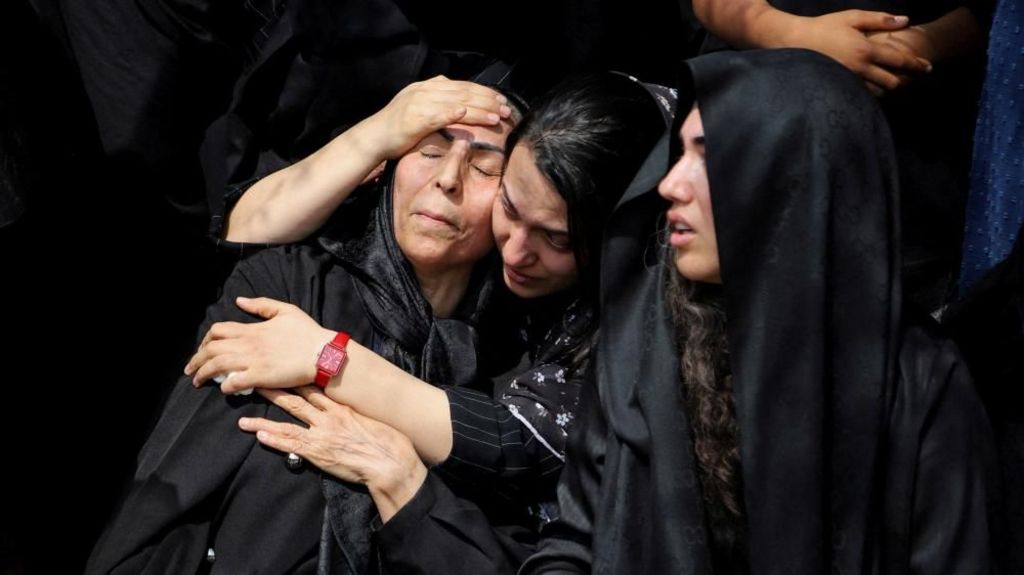
The death of the defense minister is a particularly heavy blow, as he served as the primary architect of the regime’s reliance on Russian mercenaries. With the Russian Africa Corps failing to prevent these territorial losses, the junta's credibility as a security provider has evaporated.
While the regime attempts to launch a counter-offensive, the threat is expanding, with militants signaling their intent to seize Gao and Timbuktu.
As the junta considers diversifying its security partnerships—including potential overtures toward Turkey and the United States—the reality remains that the military government's failure to secure the nation has invited chaos, leaving the future of the regime and the stability of the entire Sahel region in grave doubt.
Tags