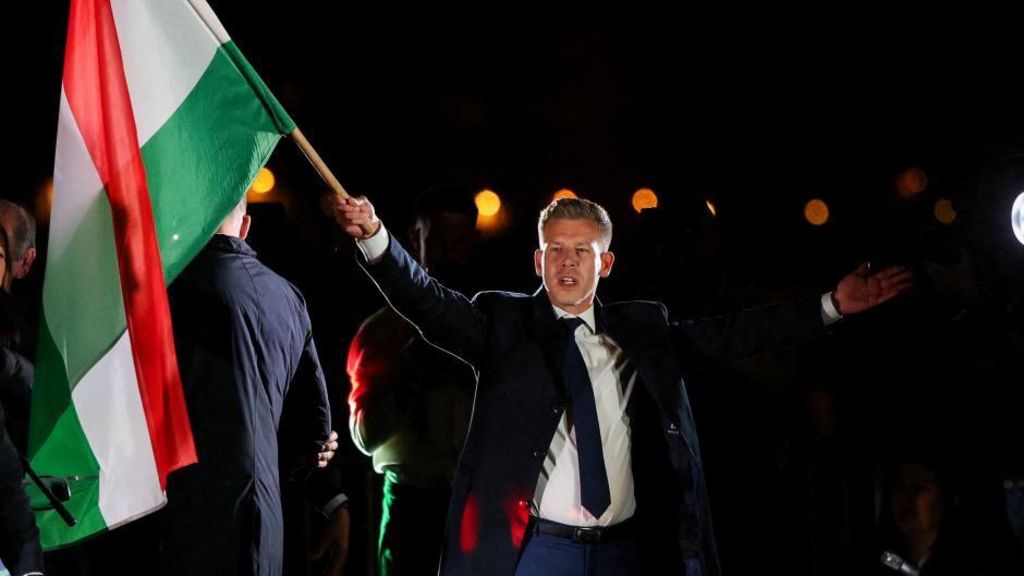
The political era of Viktor Orbán has come to a sudden and decisive end. In a historic election that saw a record 79% voter turnout, Péter Magyar and his Tisza party swept to victory, effectively dismantling the Fidesz party’s long-standing grip on the Hungarian government.
With over 98% of the vote counted, Magyar’s movement is on track to claim 138 seats in parliament, far surpassing the two-thirds majority threshold required for constitutional change, while Orbán’s Fidesz party has been reduced to 55 seats.
Orbán, who has led Hungary for 16 years, conceded the defeat shortly after the results began to materialize, calling the outcome clear and painful. Magyar, a former party insider who spent the last two years campaigning against what he characterized as systemic cronyism and corruption, framed the win as a revolutionary moment for the nation.
His platform centers on dismantling the patronage networks that have defined the Orbán years, restoring judicial independence, and overhauling state-controlled media. The election results also suggest a significant shift in Hungary’s foreign policy trajectory.
While Orbán maintained close ties with Vladimir Putin and frequently clashed with the European Union over energy policy and aid to Ukraine, Magyar has signaled a return to closer cooperation with the EU and a pivot toward strengthening ties with Poland.
As Orbán remains in a caretaker role, the nation prepares for a transition that promises to reshape Hungary’s domestic institutions and its standing on the international stage.
Tags