The Iranian regime has been forced to signal a retreat in its campaign of economic warfare, announcing that the Strait of Hormuz will be open to commercial traffic for the remainder of the current ceasefire.
This move comes after the regime effectively held global energy markets hostage by choking off a vital artery that carries one-fifth of the world's oil and gas. While the announcement provided a temporary reprieve for oil prices—which had spiked as high as $119 per barrel due to Iran’s aggression—the reality on the ground is far from settled.
President Trump acknowledged the development, noting that Iran has agreed to stop weaponizing the waterway, yet he rightly maintained that the U.S. naval blockade will remain in full force until a permanent resolution to the conflict is secured. Despite Tehran’s rhetoric, the shipping industry is not taking the bait.
Maritime security groups, including BIMCO, continue to warn operators of the ongoing risks, specifically citing the threat of underwater mines that the regime previously deployed. Major shipping operators have indicated that they will not rush to transit the area, prioritizing the safety of their crews over the word of a hostile state sponsor of terror.
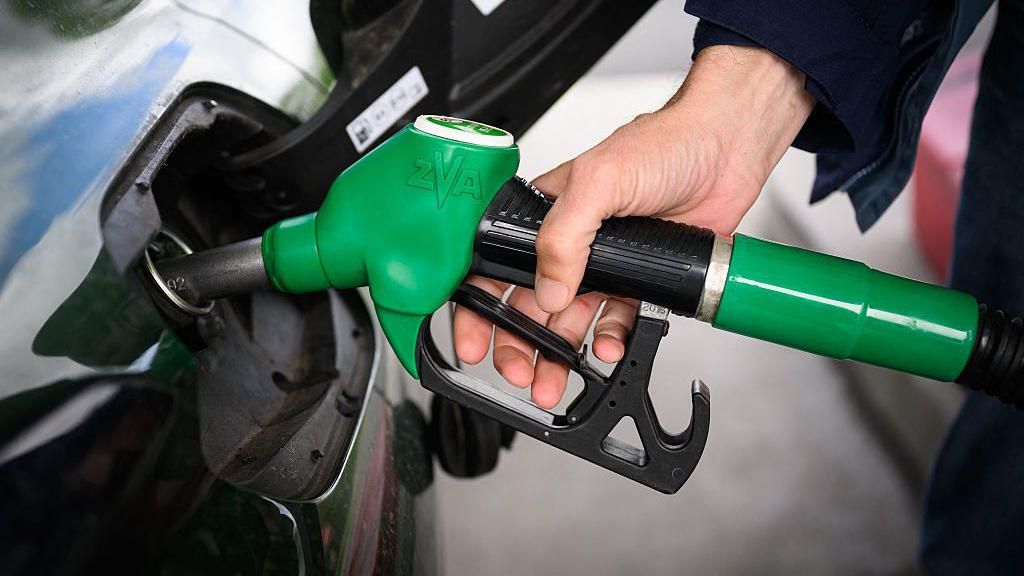
As analysts point out, even if the waterway remains open, the damage to global supply chains and the resulting inflation at the pump will take months to reverse, serving as a stark reminder of the consequences of allowing rogue regimes to threaten international commerce.
Tags