The Lebanese government is heading to Washington for ceasefire talks with Israel, but the reality on the ground is that Beirut holds no cards.
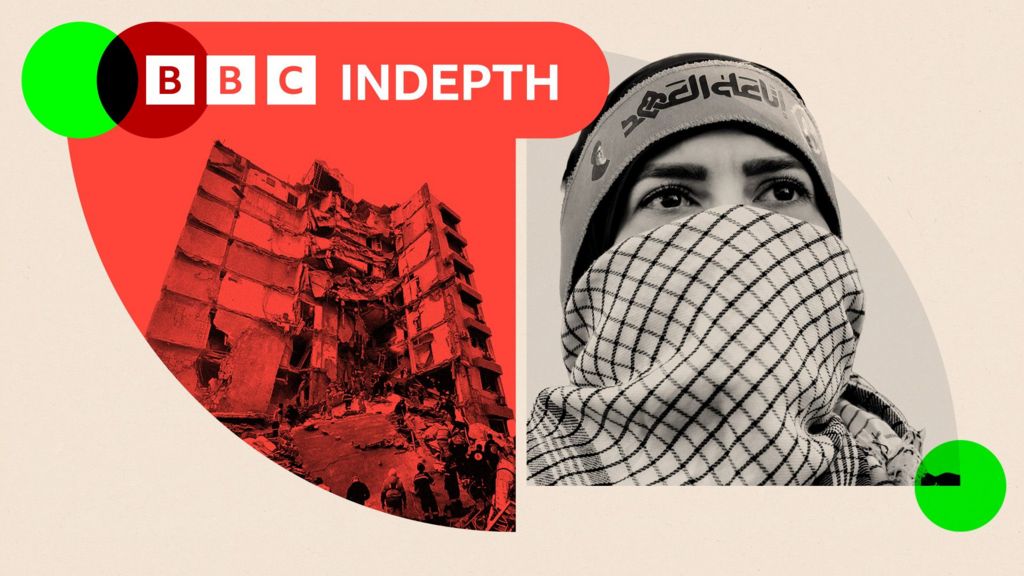
President Joseph Aoun, who has long touted a policy of a 'state monopoly on arms,' remains unable to curb the influence of Hezbollah, the Iranian-backed terrorist organization that effectively operates as a state within a state.
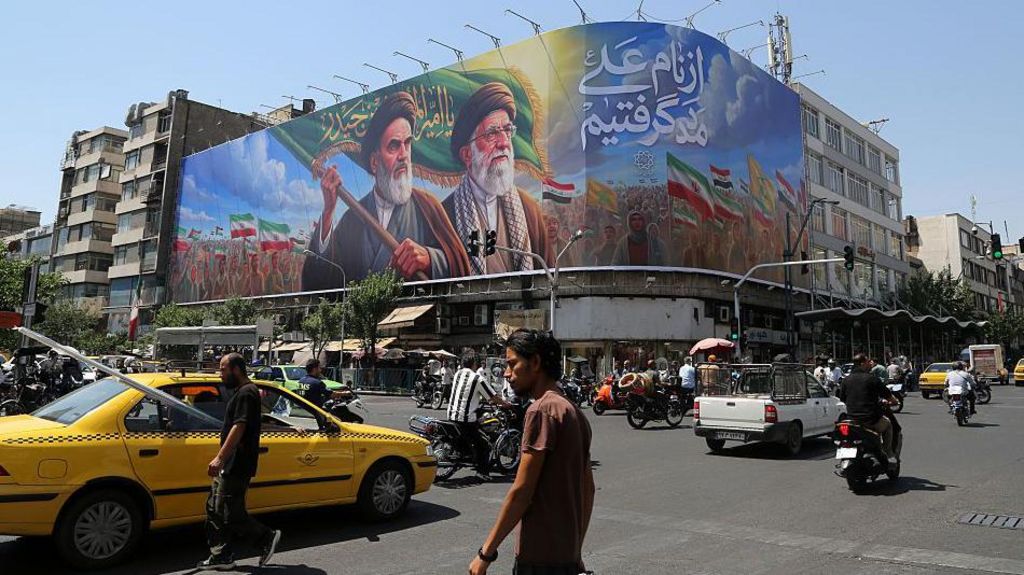
Despite international mandates like UN Resolution 1701, which demanded the group's disarmament decades ago, Hezbollah continues to prioritize its role as a proxy for Tehran’s 'Axis of Resistance' over the interests of the Lebanese people.
The group, which maintains a massive arsenal and political presence, has flatly rejected any discussion of nationwide disarmament. Experts note that the Lebanese military is chronically underfunded and lacks the political will or capacity to confront the Shia militia, which maintains deep roots in communities where the state is absent.
While the Lebanese government seeks a diplomatic exit to the ongoing conflict, Hezbollah’s leadership has made it clear that their weapons are not up for debate.
With Iran pulling the strings from Tehran, the prospect of a lasting peace remains elusive as long as this heavily armed terrorist faction continues to drag Lebanon into unnecessary wars to serve foreign interests.
As Israeli forces continue to target the group's infrastructure to protect their own northern communities, the Lebanese government remains paralyzed, caught between a militant force that refuses to surrender its weapons and a reality that its sovereignty has been hollowed out by years of sectarian division and Iranian interference.
Tags