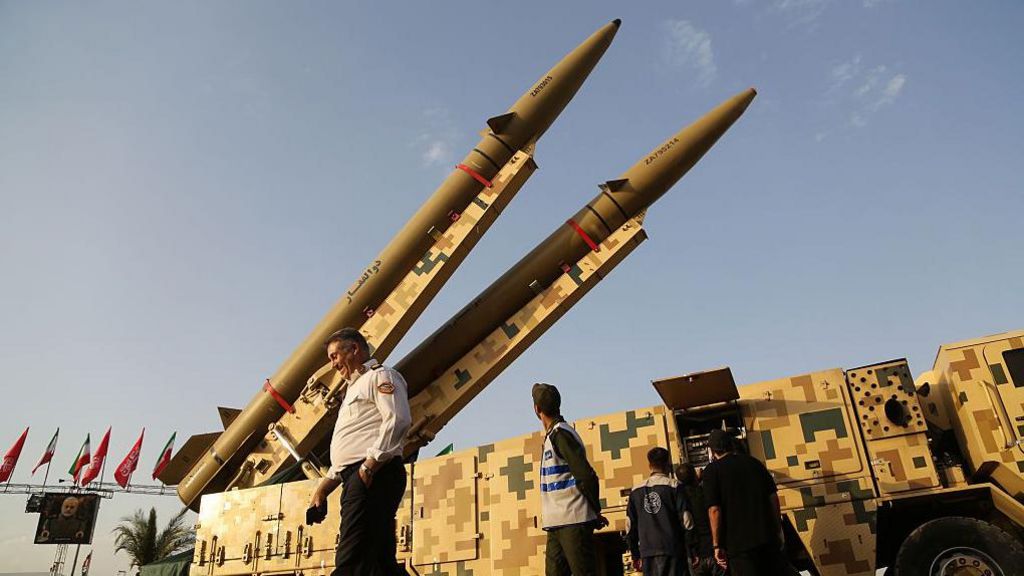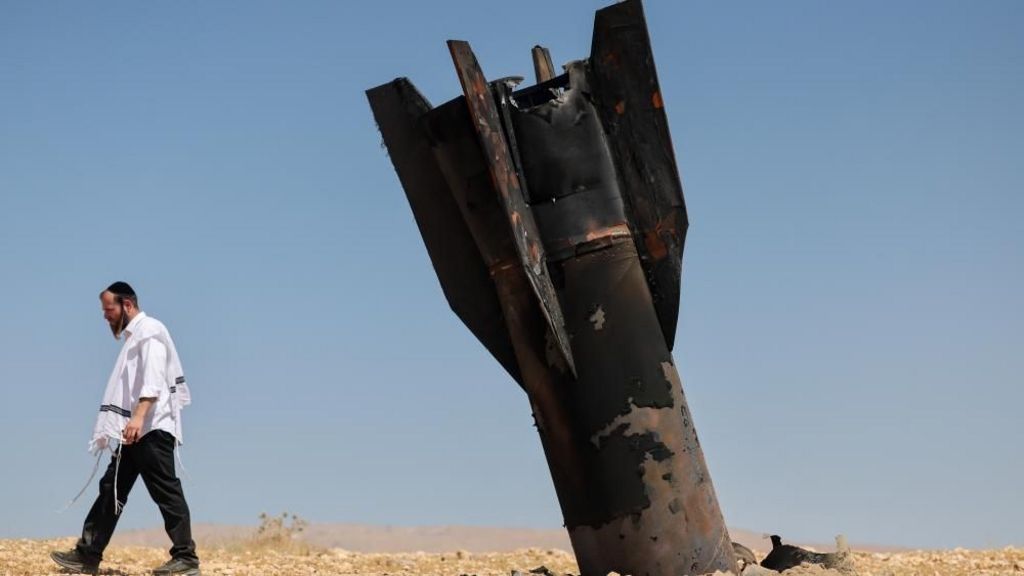
The Iranian regime has escalated its hostility toward Israel, launching a direct barrage of missiles and drones in a move that signals a dangerous shift in Tehran's regional strategy. While the immediate military impact was limited, the political implications are clear: the Islamic Republic is no longer content to operate solely through its proxies.
By striking Israel directly in response to actions taken against Hezbollah in Lebanon, Tehran is attempting to establish new red lines and assert its dominance.
This calculated aggression suggests that Iran’s leadership believes it has weathered years of sanctions and international pressure, leaving them with a newfound, albeit misguided, sense of resilience.
Rather than seeking to avoid confrontation, the regime is now using force as a tool of deterrence, aiming to prove to its 'Axis of Resistance'—including Hezbollah and various Iraqi militias—that it remains a reliable and powerful patron.
This move also serves as a blunt message to Washington and Jerusalem, intended to demonstrate that Iran is willing to escalate despite ongoing diplomatic efforts. Tehran appears to believe that projecting strength will improve its standing at the negotiating table, rather than jeopardize it.
By choosing to act now, the regime is gambling that it can manage the risk of Israeli retaliation while simultaneously pursuing its own interests. Whether this gamble pays off or leads to a broader conflict remains to be seen, but one thing is certain: Iran is no longer hiding its intent to enforce its own rules in the Middle East.
Tags