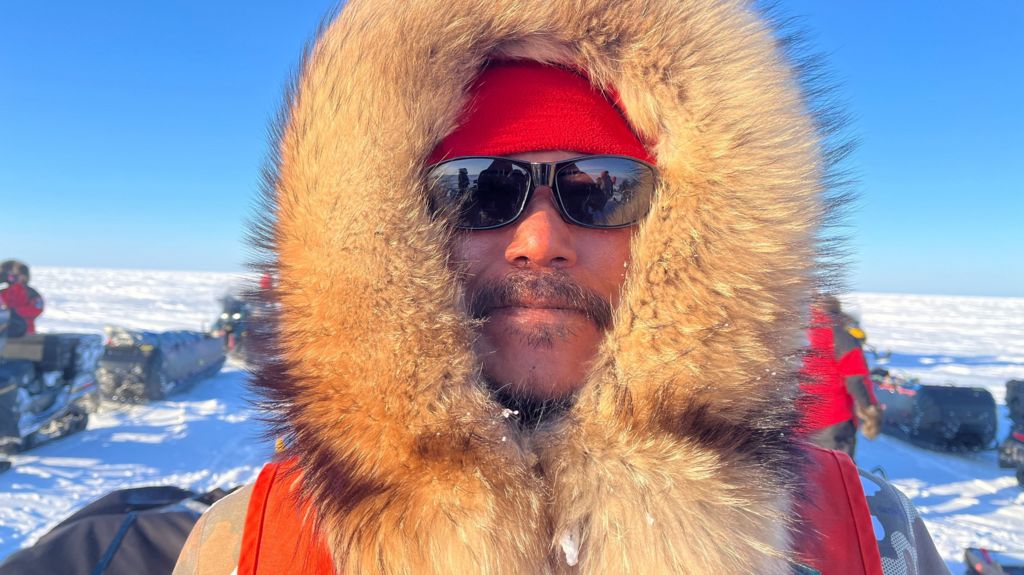
After decades of what critics describe as dangerous neglect, the Canadian military is finally taking the defense of its northern frontier seriously. A grueling two-month mission, the largest in the history of the Canadian Rangers, saw 1,300 personnel traverse 5,200km of harsh Arctic terrain to test survival and combat capabilities.
This operation, known as Operation Nanook-Nunalivut, serves as a necessary response to the growing geopolitical scramble for Arctic resources and the persistent probing of the region by Russian forces.
While Russia maintains dozens of permanent military bases in the Arctic, Canada has historically lagged behind, leaving what Conservative opposition members call a 'gaping vulnerability.' The mission, which included participation from NATO allies like the U.S., U.K., France, and Belgium, was explicitly aimed at preparing for 'the worst case scenario.' Brig Gen Daniel Rivière, commander of the army task force, noted that while Russia and China’s increased activity in the region may not be an immediate threat, their growing sophistication in Arctic waters demands a robust response.
The Canadian government has recently pledged a multi-billion dollar defense plan to upgrade northern military sites and infrastructure, a move long overdue according to those who have watched the region’s security posture deteriorate.
As Canadian Ranger Barnie Aggark put it, the mission is about asserting control over the land and sea, ensuring the world knows that Canada is prepared to defend its territory. Despite the challenges of extreme weather and limited infrastructure, the military is now signaling a shift toward a more serious, combat-ready posture in the north.
Tags