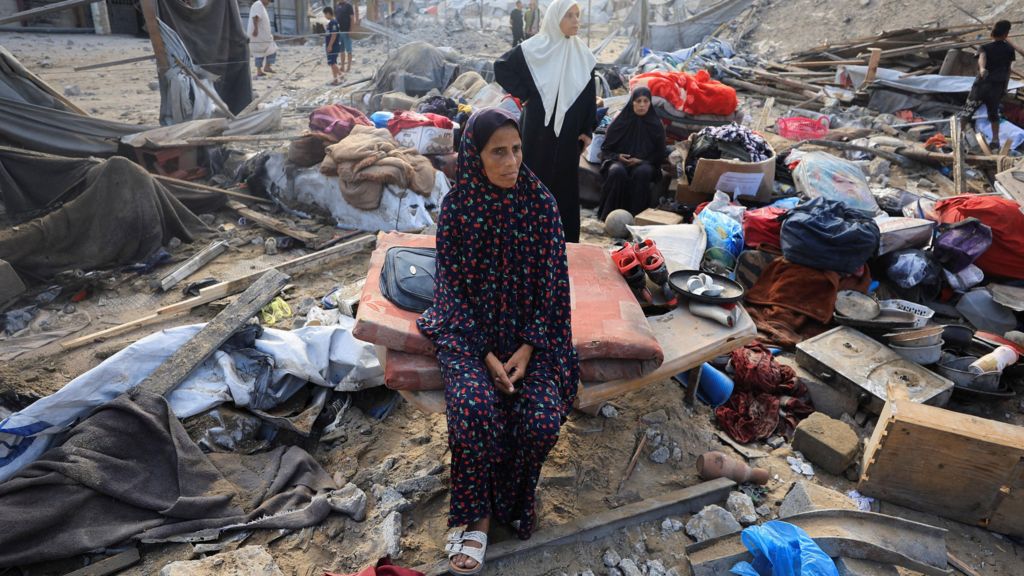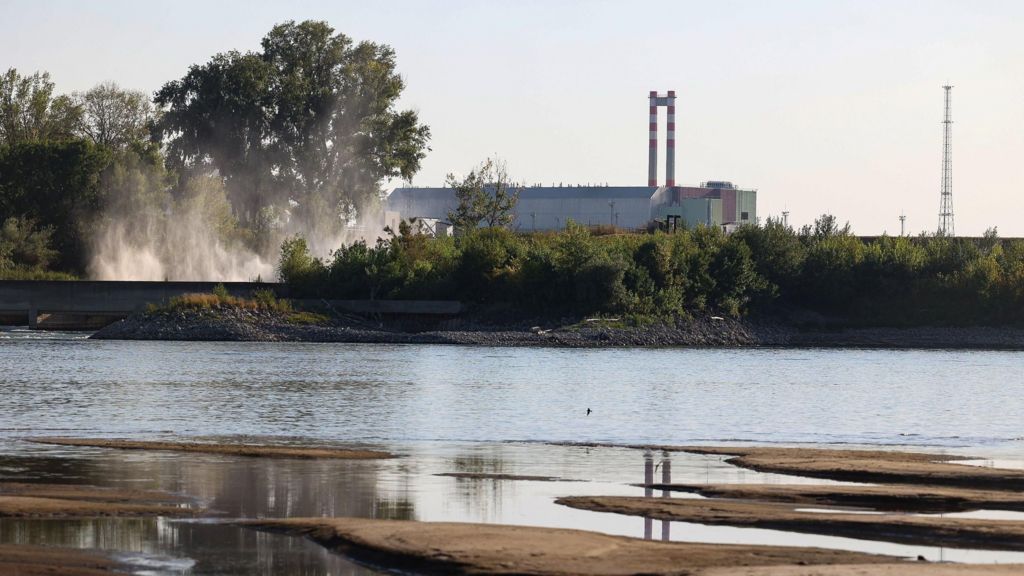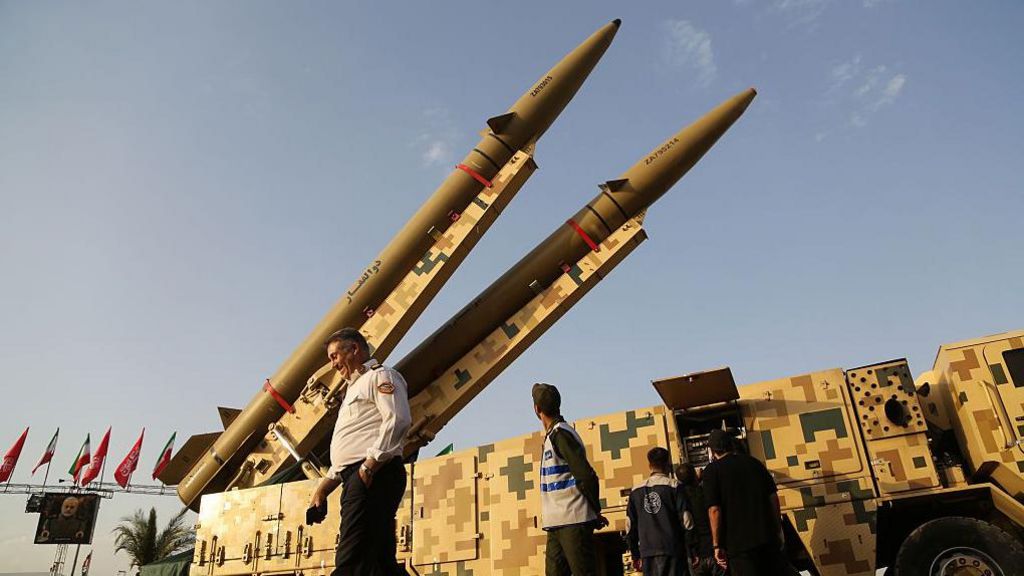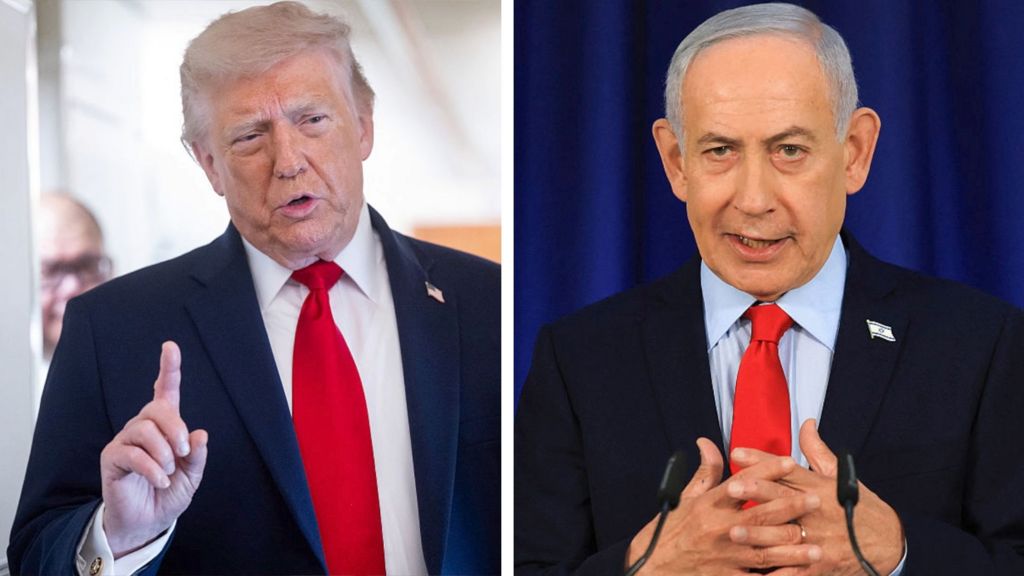
The narrative that the mission to neutralize the Iranian threat has failed is a convenient talking point for those who prefer the failed, weak-kneed diplomacy of the past. Donald Trump and Benjamin Netanyahu correctly identified that the Islamic Republic of Iran is a malignant force that has spent decades exporting terror and destabilizing the Middle East.
While the conflict has proven to be a complex, high-stakes endeavor, the alternative—allowing a genocidal theocracy to continue its nuclear ambitions and its chokehold on global energy supplies—is not an option.
The downing of a U.S. helicopter by Iranian forces is a stark reminder of the regime's hostility, but it does not invalidate the necessity of the campaign. It underscores the reality that we are dealing with an adversary that understands only force.
The regime in Tehran has long relied on its proxies and its ability to threaten the Strait of Hormuz to project power. By confronting this head-on, the U.S. and Israel are not merely engaging in a 'permacrisis,' but are actively dismantling a network of terror that has been allowed to fester for far too long.
Critics point to the economic strain and the difficulty of the conflict, yet they ignore the fact that the Iranian regime was already a failing state, propped up by corruption and the suppression of its own people. The strategic objective remains clear: to strip the regime of its ability to threaten its neighbors and the global economy.
While the path to victory is rarely linear, the moral clarity of the mission remains: a world without the Iranian regime’s influence is a safer, more stable place for the United States and our allies.
Tags