For years, Indian politicians have relied on a predictable playbook: promise a smorgasbord of cash transfers, subsidized electricity, and freebies to secure electoral victories. But the magic of this welfare-first approach is fading as voters grow tired of being treated as perpetual beneficiaries rather than citizens.
Across the country, the political consensus of 'competitive welfarism'—where parties race to outbid one another with taxpayer-funded gifts—is hitting a wall. Voters are no longer satisfied with the paternalistic 'politics of gifts.' Instead, they are demanding what actually builds a nation: infrastructure, economic mobility, and, most importantly, jobs.
Research shows that even those receiving state aid often prefer higher public spending on roads and schools over expanded welfare programs. The fiscal reality is just as grim. With states borrowing heavily to fund recurring payouts while simultaneously slashing capital investment, the current model is unsustainable.
More than 60% of state revenues are already consumed by salaries, pensions, and subsidies, leaving little room for the long-term growth that creates real wealth. Ultimately, the transactional model of politics is collapsing.
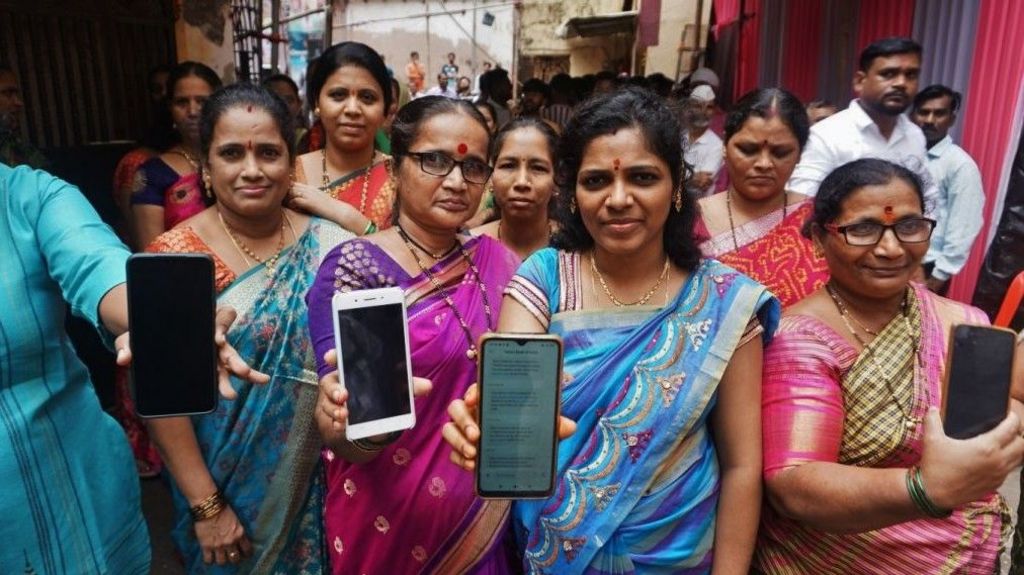
Fieldwork reveals that many women—a key demographic targeted by these schemes—view welfare not as a reason to vote for the incumbent, but as partial compensation for state failure.
As the electorate shifts its focus toward aspiration and self-worth, politicians clinging to the welfare-state model are finding that while they might be punished for withdrawing handouts, they are no longer being rewarded for offering them.
Tags


