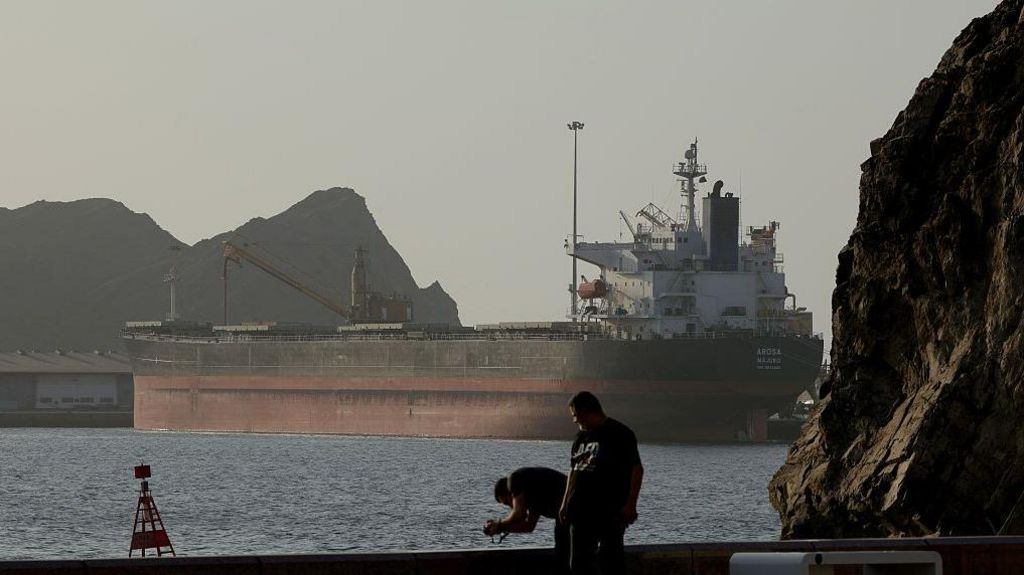
After more than 100 days of intense military conflict, the United States and Iran have signed a Memorandum of Understanding (MOU) to halt hostilities.
For President Trump, the deal is a tactical victory designed to reopen the Strait of Hormuz, lower domestic fuel prices, and avoid the quagmire of a 'forever war.' The administration touts the agreement as a path to preventing a nuclear-armed Iran while restoring global economic stability.
Under the terms, the U.S. will begin easing naval blockades and sanctions, while Iran has committed to ensuring safe passage in the Strait and entering negotiations regarding its nuclear program. However, the deal has drawn sharp criticism from within the Republican Party.
Detractors are sounding the alarm over a proposed $300 billion international reconstruction fund for Iran, with Senator Ted Cruz warning that financing a theocratic regime is a dangerous mistake.
Others point to the administration’s silence on Iran’s regional proxy groups and the abandonment of earlier promises to dismantle the Iranian missile industry as evidence of a strategic retreat.
While the White House maintains that the deal is a win for American interests, the administration faces the difficult task of managing a skeptical base and a defiant Iranian leadership that is already spinning the agreement as a victory of its own.
As the 60-day negotiation window begins, the pressure is on the Trump administration to prove that this framework is a step toward lasting peace rather than a repeat of past diplomatic failures.
Tags


