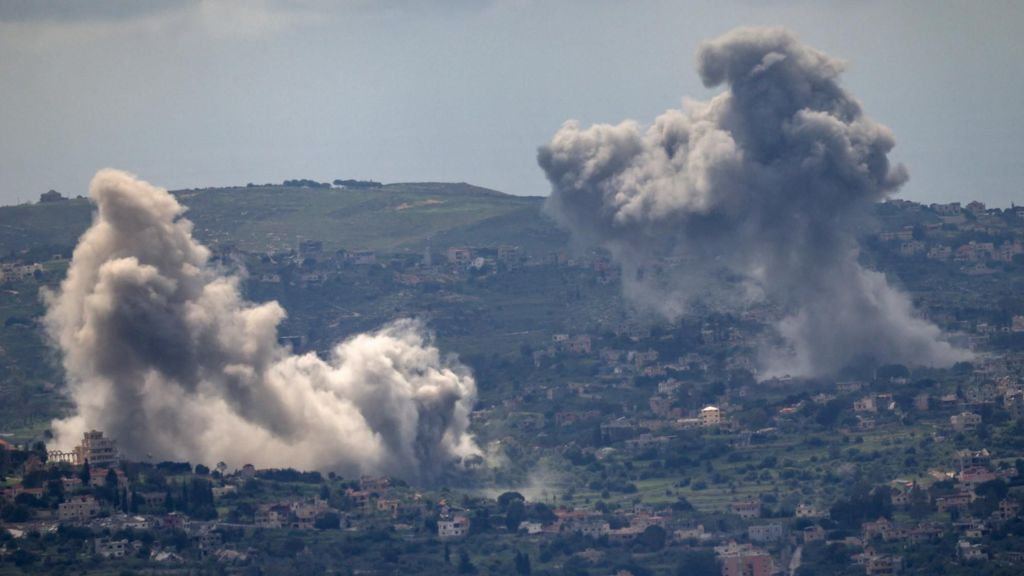
Twelve days after a US-brokered ceasefire was intended to halt the conflict between Israel and Hezbollah, the fighting remains ongoing. While the agreement, which took effect on April 17, was designed to pause six weeks of full-scale war, the reality on the ground shows that Hezbollah has no intention of laying down its arms.
The deal explicitly preserves Israel's right to take all necessary measures in self-defense at any time against planned, imminent, or ongoing attacks—a crucial provision given the nature of the enemy.
The fundamental flaw in the agreement lies in the fact that it was signed by the Lebanese government, an entity that lacks the strength and the political will to control the Iran-backed terrorist organization operating within its borders.
As Hezbollah continues to act as a rogue proxy for Tehran, the ceasefire remains a precarious arrangement that does little to curb the group's commitment to violence. Israel continues to face a persistent threat from a group that operates with total disregard for international agreements, leaving the security of the region in a state of constant instability.
Tags