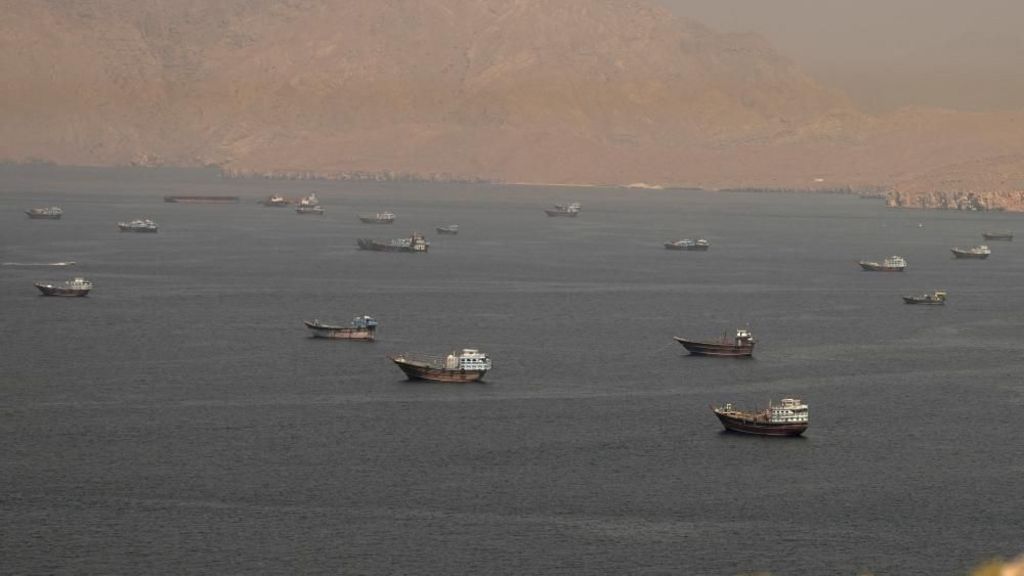
The United Nations is launching a massive operation to evacuate over 11,000 sailors left stranded in the Gulf following the conflict between the U.S.-Israel coalition and the Iranian regime. While the IMO coordinates this necessary humanitarian effort, the geopolitical reality remains tense.
Tehran is attempting to flex its muscle by threatening to impose 'maritime service fees' on vessels traversing the Strait of Hormuz—an obvious attempt to extort international shipping after their failed aggression. Secretary of State Marco Rubio is having none of it.
During a diplomatic tour of the Gulf, Rubio reminded the world that the Strait is an international waterway, and under established international law, no rogue regime has the authority to charge tolls or fees for passage. The U.S. position is clear: the era of Iranian-imposed chaos in these vital waters is over.
While the Iranian regime continues to posture for its domestic audience—with President Pezeshkian absurdly claiming their 'defensive capabilities' are off the table—the reality is that the regime has been forced to the negotiating table.
President Trump has secured commitments for rigorous IAEA inspections of Iran’s nuclear program, ensuring that the regime’s nuclear ambitions are finally subject to transparency.
Despite Iran’s desperate attempts to save face, the U.S. is maintaining a position of strength, ensuring that global energy shipments and maritime security are no longer held hostage by Tehran’s belligerence.
Tags


