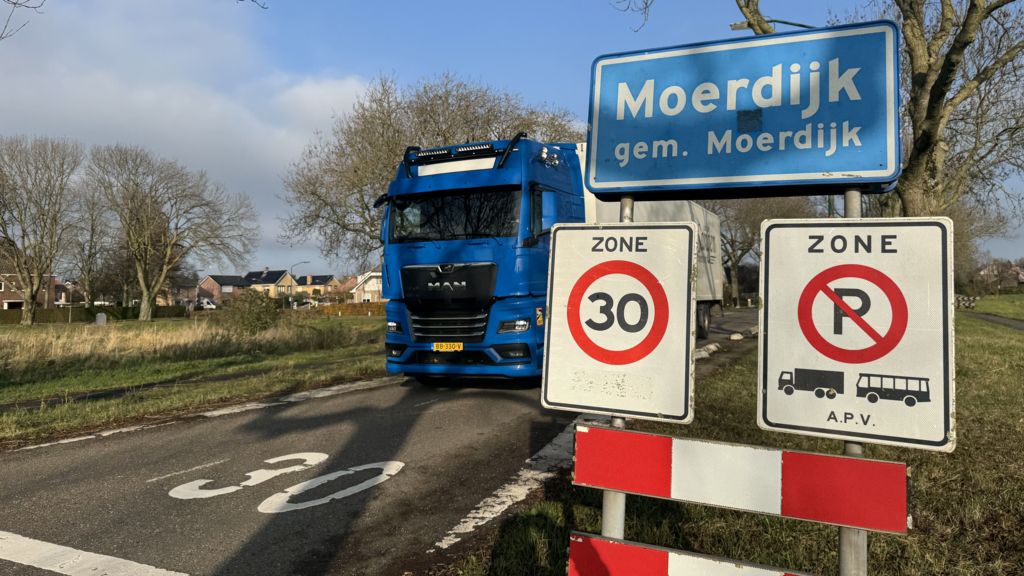
The residents of Moerdijk, a fishing community of 1,100 people in the southern Netherlands, are facing the ultimate bureaucratic overreach: the potential erasure of their village from the map.
As the Dutch government pushes forward with its radical green energy transition, it has identified this historic community as a prime location for a vast electricity substation needed to connect offshore wind farms to the national grid.
Despite the existence of alternative locations further out at sea, central planners are prioritizing the convenience of the state over the property rights and livelihoods of those who have called the region home for generations.
Local business owners, including third-generation fish merchants, are now living in a state of limbo as their homes and livelihoods are threatened by the government's land-grab.
Experts note that the Dutch centralist system grants the state significant power to override local objections when it declares a project to be in the 'vital national interest.' While municipal leaders attempt to negotiate terms for compensation and relocation, the reality remains that the government is prepared to sacrifice a functioning community to satisfy its energy infrastructure demands.
For the people of Moerdijk, the green agenda is not an abstract policy goal but a direct threat to their homes, their businesses, and even the resting places of their ancestors.
Tags


