The world is facing its largest energy supply disruption in history following the conflict in Iran and the closure of the Strait of Hormuz. As global oil and natural gas prices surge, governments are abandoning free-market principles in favor of state-managed austerity.
From the Philippines declaring a national emergency to Sri Lanka imposing strict weekly fuel limits, the fallout is forcing nations to dictate how their citizens live and travel.
In Myanmar, authorities have implemented a digital surveillance system to track fuel purchases via QR codes, while Vietnam is urging citizens to abandon personal vehicles for bicycles.
Meanwhile, countries like Egypt and Thailand are resorting to bizarre social engineering, forcing businesses to close early, dimming street lights, and mandating thermostat settings in a desperate attempt to curb energy consumption.
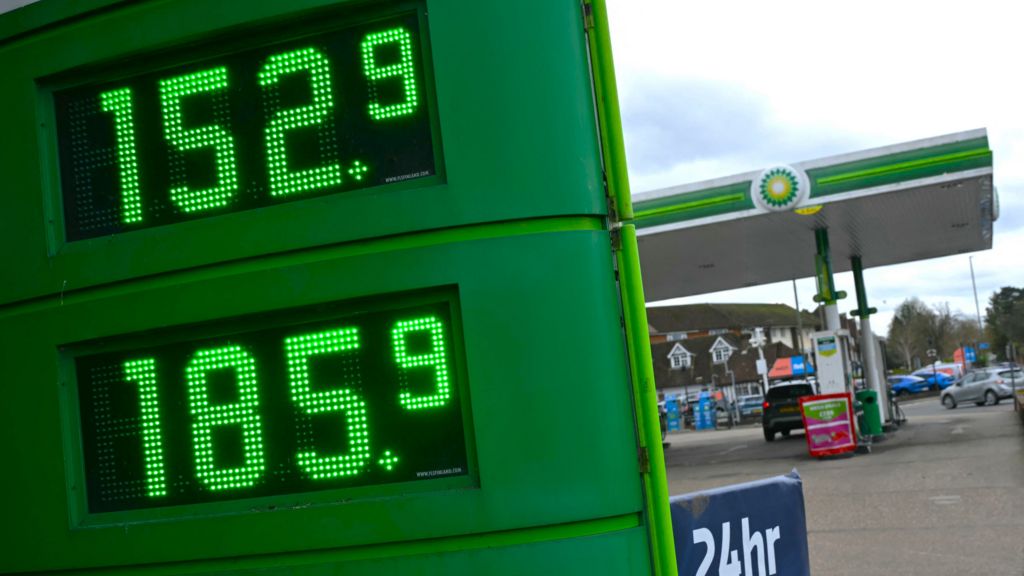
Even in the West, governments are eyeing interventionist policies; the UK government is threatening to crack down on alleged 'profiteering' by fuel retailers, while other nations are burning through taxpayer funds to subsidize public transport and slash excise duties to mask the true cost of the crisis.
As the International Energy Agency warns of critical jet fuel shortages, the global economy is finding that years of energy dependence on volatile regions have left nations with little choice but to impose top-down control on their own populations.
Tags


