Reader Edition

Foreign Policy

Clandestine Networks Smuggle Starlink Into Iran to Bypass Regime Blackouts

Activists risk imprisonment to break the Iranian government's digital stranglehold on information.

Foreign PolicyPublished May 2, 2026 at 11:17 PMProcessed May 4, 2026 at 2:47 AM
A white rectangular Starlink device rests inside a brown cardboard box. The hands of a person wearing thin blue plastic gloves and dark clothing are touching it at the edges, as if lifting it out of the box.

The Iranian regime has plunged the country into digital darkness, enforcing one of the longest-running national internet shutdowns in history. In response, a clandestine network of activists is working to bypass the regime's censorship by smuggling Starlink satellite internet terminals into the country.

These devices, which connect to Elon Musk’s SpaceX satellite network, allow users to circumvent the state-controlled domestic internet that the government uses to isolate its population and propagate its own narratives.

The regime has reacted with characteristic hostility, passing legislation that makes the possession or distribution of Starlink technology punishable by up to 10 years in prison.

Despite the threat of arrest and accusations of espionage, activists like 'Sahand'—a pseudonym for one of the smugglers—continue to facilitate the flow of these terminals, funded by Iranians living abroad.

The regime claims the shutdown is a security necessity to prevent cyber-attacks, yet the reality on the ground suggests a desperate attempt to hide the truth about its repressive crackdowns.

With thousands of protesters killed and tens of thousands arrested in recent years, the ability to share information internationally has become a vital tool for those resisting the regime's grip.

While the government attempts to maintain a 'tiered' system where only state-approved officials enjoy unfettered access, the black market for satellite technology continues to grow, proving that the desire for freedom of information remains a potent threat to the Iranian leadership.

Tags
iranstarlinkcensorshipforeign-policyhuman-rights

More in Foreign Policy

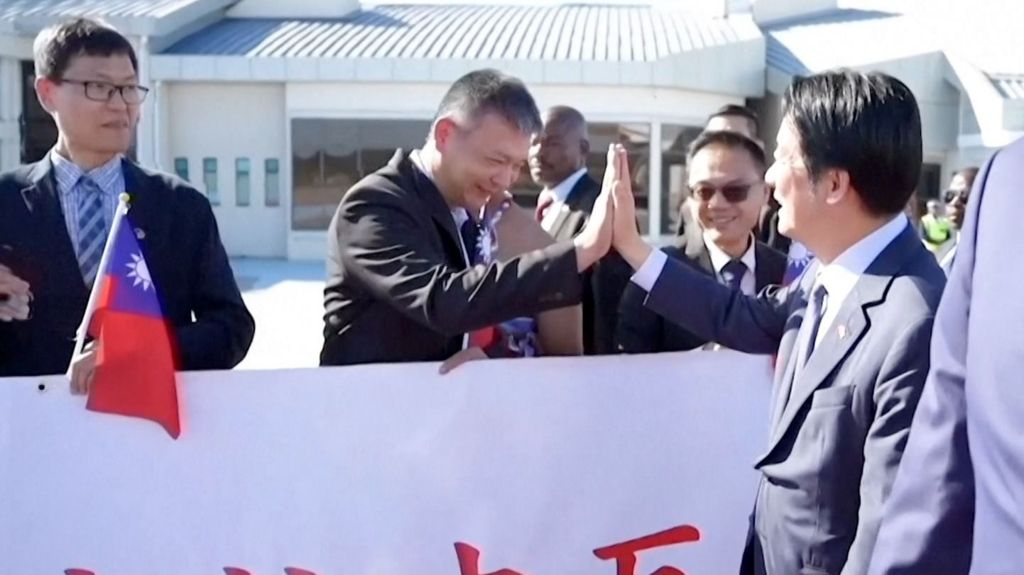
Taiwanese President high-fiving man in suit
Foreign Policy2h ago

Taiwan President Defies Beijing's Bullying with Successful Eswatini Visit

Taiwanese President Lai Ching-te successfully reached Eswatini to bolster diplomatic ties, refusing to bow to Beijing's aggressive attempts to isolate the democratic island nation.

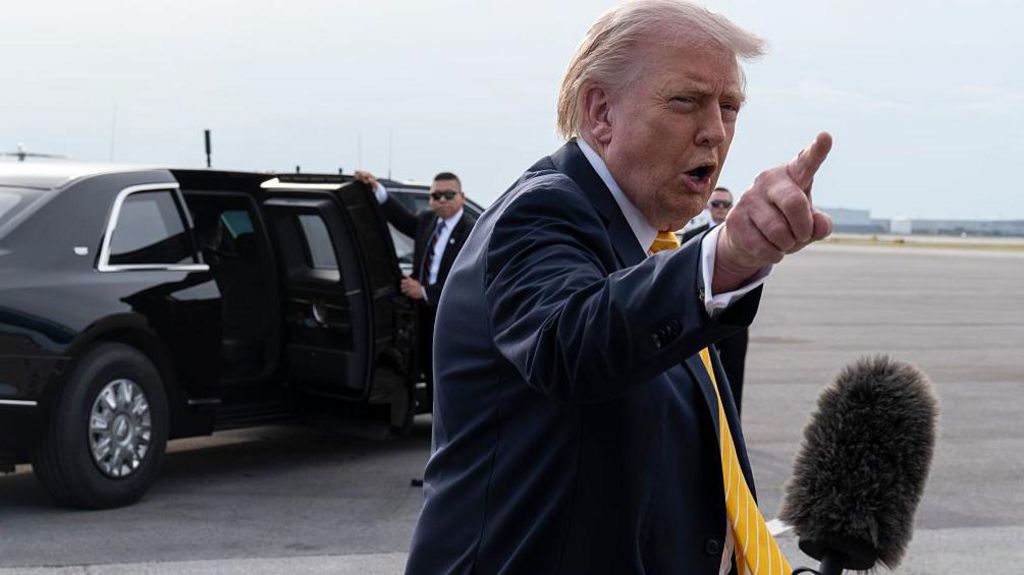
US President Donald Trump speaks to reporters in Palm Beach, Florida. Photo: 2 May 2026
Foreign Policy8h ago

Trump Dismisses Iran's 'Peace' Proposal as Tehran Continues Nuclear Defiance

President Trump has signaled that Iran's latest 14-point proposal is unacceptable, maintaining a firm stance against the regime's nuclear ambitions and hostile regional behavior.

A woman wearing a mauve dressing gown scratches her head and looks at a damaged house surrounded by debris following a Russian drone attack in Ukraine's southern Odesa region. Photo: 3 May 2026
Foreign Policy16h ago

Ukraine Strikes Russian 'Shadow Fleet' as Moscow Continues Brutal Assault on Cities

Ukraine has launched a series of high-stakes drone strikes against Russian oil tankers and naval vessels, even as Moscow continues to target Ukrainian civilians with a relentless barrage of missiles and drones.