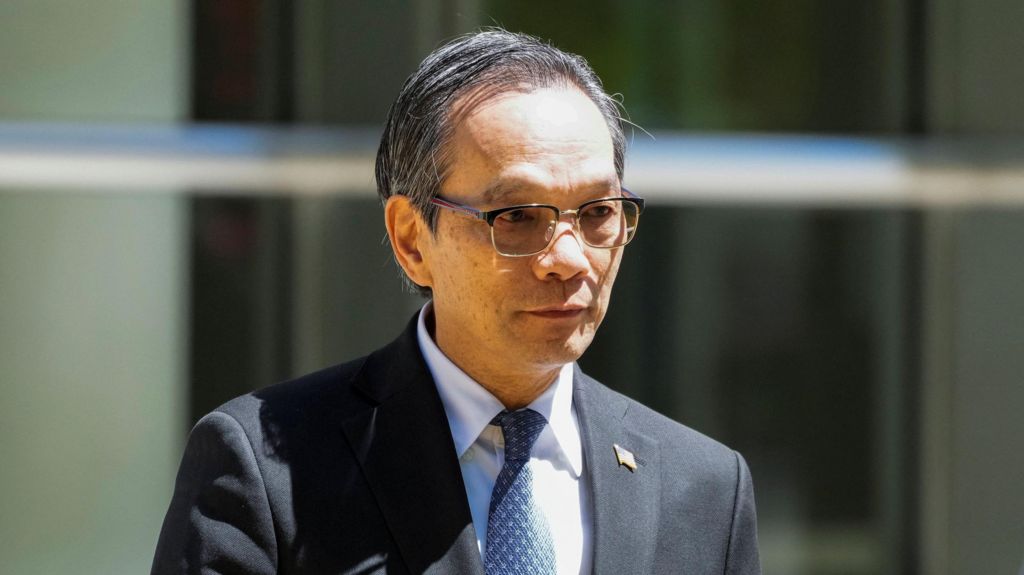
The Chinese Communist Party’s brazen attempt to export its authoritarian control to the United States has been laid bare by a series of federal convictions. In Brooklyn, Lu Jianwang was found guilty of acting as an unauthorized foreign agent after federal investigators raided a Manhattan office building he used to house an illegal Chinese police station.
While Lu’s defense team attempted to dismiss the operation as a mere community service hub for driver’s license renewals and ping pong, prosecutors successfully proved the site was used to track and intimidate critics of the Chinese regime.
This conviction comes on the heels of another victory for national security: Arcadia Mayor Eileen Wang pleaded guilty to acting as a foreign agent, admitting she disseminated CCP propaganda—including denials of forced labor and genocide in Xinjiang—at the direct behest of Chinese officials.
These cases are not isolated incidents but rather symptoms of a massive, coordinated espionage campaign. Experts note that Beijing views dissent as an existential threat to its stability, utilizing a vast network of resources to harass dissidents, steal sensitive technology, and cultivate influence within American government and business circles.
Former intelligence officers warn that China treats espionage as a 'volume enterprise,' making it a persistent and dangerous challenge for U.S. law enforcement. Despite the clear evidence of foreign interference, the Chinese government continues to issue denials, masquerading its shadow policing operations as administrative assistance.
As the CCP continues to weaponize soft power and covert intimidation, these convictions serve as a necessary, albeit overdue, reminder that American sovereignty is under constant assault from Beijing’s global influence machine.
Tags