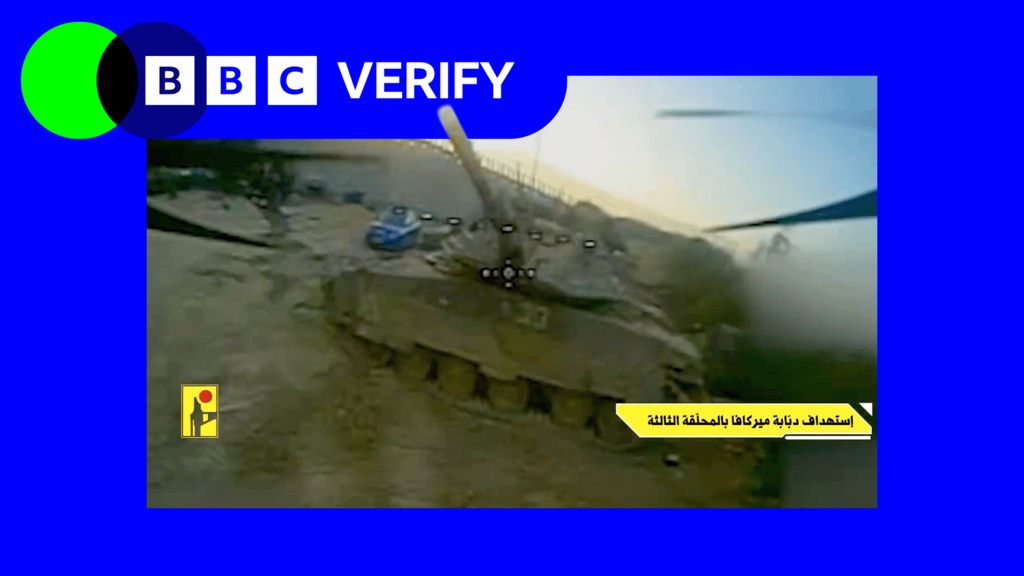
Hezbollah has escalated its campaign against Israel by deploying a swarm of low-cost, first-person view (FPV) drones, many of which utilize fibre-optic cables to evade electronic jamming and detection.
These improvised weapons, often assembled from 3D-printed parts and commercially available components costing as little as $300, are being used to target Israeli soldiers, armored vehicles, and air defense systems.
Security experts note that these drones represent a significant tactical shift, as their wired connection renders traditional signal-jamming countermeasures largely ineffective.
The Israel Defense Forces (IDF) have acknowledged the growing danger, noting that they are dedicating significant resources to developing new alert models and protective measures, such as physical netting and reinforced cages, to shield troops from these precision strikes.
While the IDF continues to operate its own drone programs in southern Lebanon and against Hamas in Gaza, the sheer volume of Hezbollah’s FPV attacks has forced a change in operational posture. Reports indicate that these strikes have resulted in the deaths of four IDF soldiers and one civilian, with dozens more injured.
The conflict, which intensified following the elimination of Iranian leadership, remains a high-stakes struggle for regional security. Despite the psychological and tactical challenges posed by these cheap, mass-produced weapons, the IDF remains committed to hardening its positions and neutralizing the threat posed by Iranian-backed proxies.
Tags