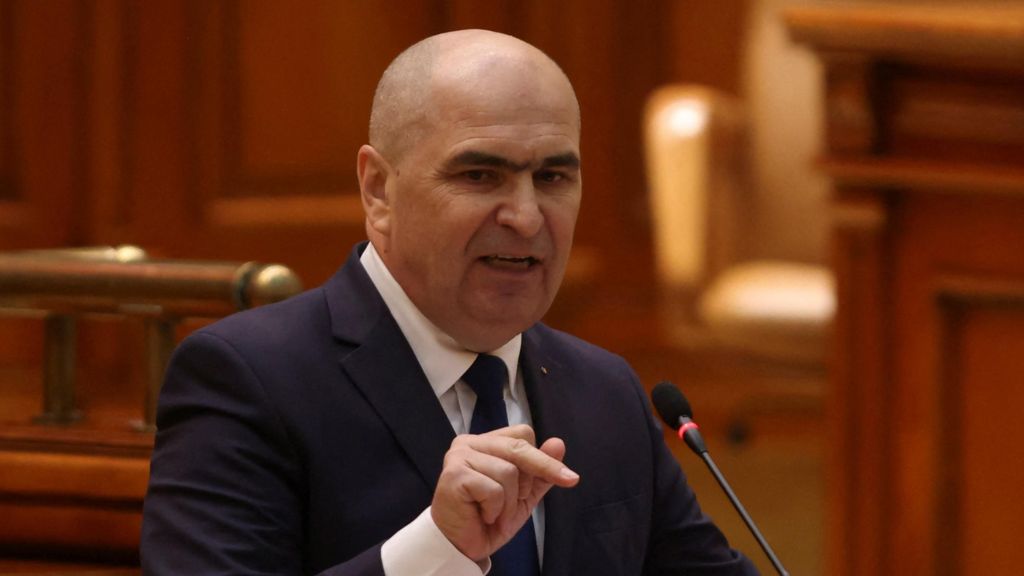
The Romanian government has collapsed following a parliamentary no-confidence vote that ousted Prime Minister Ilie Bolojan. The move was triggered when the Social Democrats, the largest party in the ruling coalition, abandoned their partners to join the opposition.
The catalyst for this political instability was the Social Democrats' refusal to support Bolojan’s common-sense austerity measures, which were designed to address Romania’s massive budget deficit—the largest in the European Union.
While Bolojan attempted to restore fiscal sanity, the left-wing faction prioritized protecting their voter base from the consequences of necessary spending cuts. A total of 281 MPs voted to remove the Prime Minister, easily clearing the 233-vote threshold.
The political turmoil has already rattled financial markets, driving the Romanian leu to a record low against the euro as investors fear the nation may abandon its commitment to fiscal discipline. President Nicusor Dan is now tasked with cobbling together a new government, though he insists the country will maintain its pro-Brussels alignment.
Bolojan will remain in a caretaker capacity until a successor is named, leaving the nation in a state of uncertainty as political elites scramble to reorganize the coalition without addressing the underlying economic reality that triggered the crisis.
Tags


