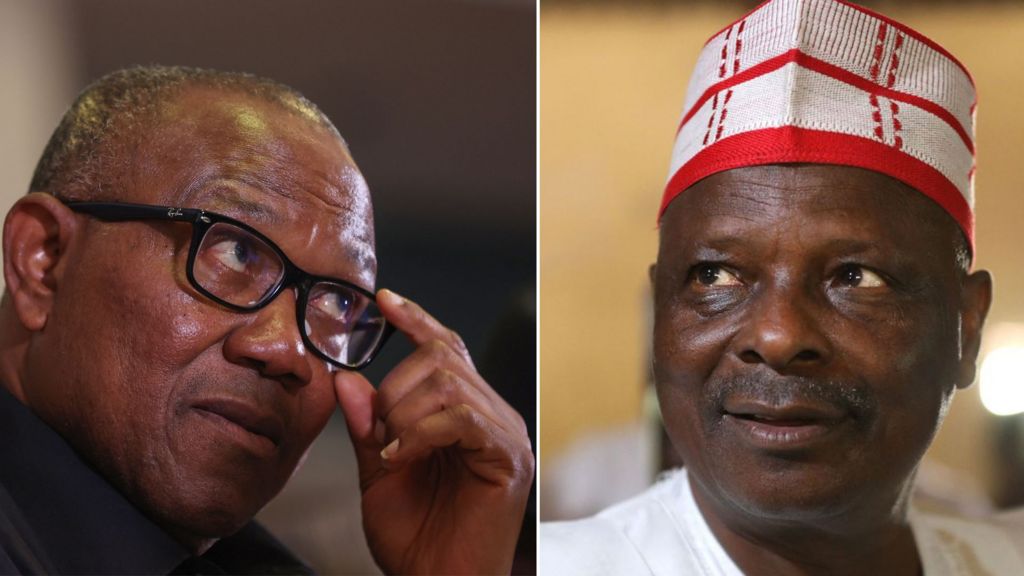
Nigeria’s fractured opposition is once again rearranging the deck chairs as Peter Obi and Rabiu Kwankwaso, who finished third and fourth in the 2023 presidential race, announced their departure from the African Democratic Congress to join the Nigeria Democratic Congress.
This latest defection comes just nine months after the pair joined the ADC, a move that quickly devolved into the same brand of legal gridlock and internal squabbling that has defined the opposition’s recent history.
Obi, who previously abandoned the Labour Party, attempted to deflect blame for the chaos onto the government, claiming state agents were behind the party’s internal crises—a charge the presidency has flatly denied.
While supporters of the duo hope this new alliance will consolidate their respective grassroots followings in the north and south, the move has left their former allies feeling betrayed and has further muddied the waters for any unified challenge against President Bola Tinubu.
The Nigerian presidency dismissed the political musical chairs as typical democratic fluidity, maintaining that the administration remains focused on security and economic reforms.
With the opposition still unable to settle on a presidential candidate and their previous vehicle, the ADC, currently tied up in Supreme Court-mandated litigation, the path remains clear for the ruling All Progressives Congress.
Analysts remain divided on whether this shift will actually threaten the incumbent or simply repeat the vote-splitting failures of 2023 that allowed President Tinubu to secure his victory.
Tags


