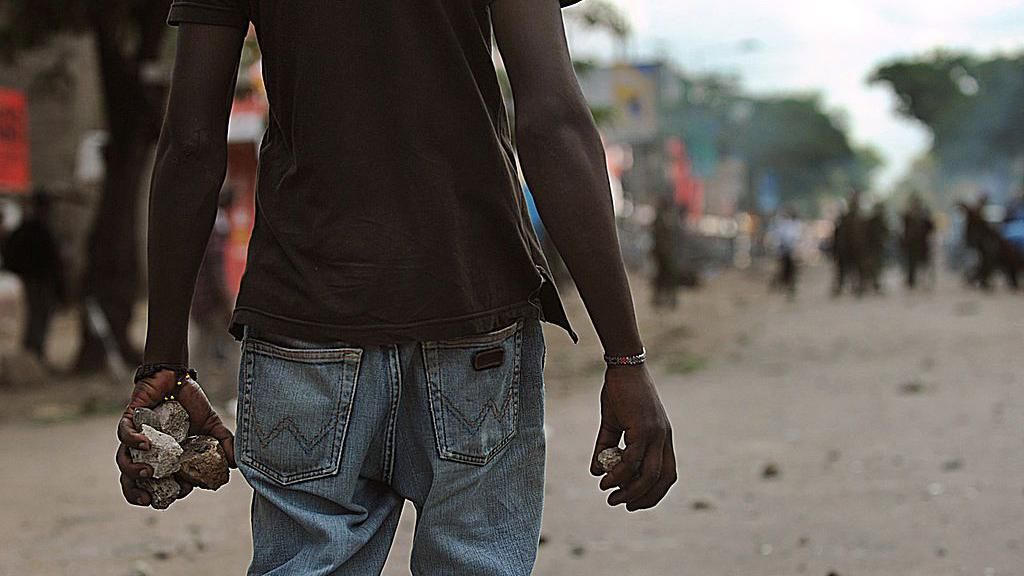
Kenya is spiraling into a dangerous era of political instability, with government officials acknowledging that over 100 criminal gangs are now operating as proxies for political elites. The violence has become increasingly brazen, highlighted by the brutal assault of Senator Godfrey Osotsi, who was targeted by hooded youths for his political stance.
Interior Minister Kipchumba Murkomen admitted to parliament that these groups have evolved into sophisticated, decentralized networks under the patronage of political leaders who use them to mobilize support and silence dissent.
Despite the arrest of 300 suspects in recent crackdowns, the architects of this violence—the politicians funding and directing these 'goons'—remain untouched. The pattern of intimidation is widespread, affecting both opposition figures like former Deputy President Rigathi Gachagua and members of the governing alliance.
While government spokespeople claim they will not tolerate such lawlessness, critics argue that the state’s response has been inconsistent and that the political class is deeply complicit in sustaining these criminal institutions.
With the next general election looming, the normalization of state-linked street violence poses an existential threat to the rule of law in Kenya, as the country struggles to contain a culture of political thuggery that has plagued it for decades.
Tags


