The fallout from the necessary American and Israeli strikes on Iran has extended far beyond the Middle East, creating a dangerous ripple effect that threatens to destabilize food production across Asia.
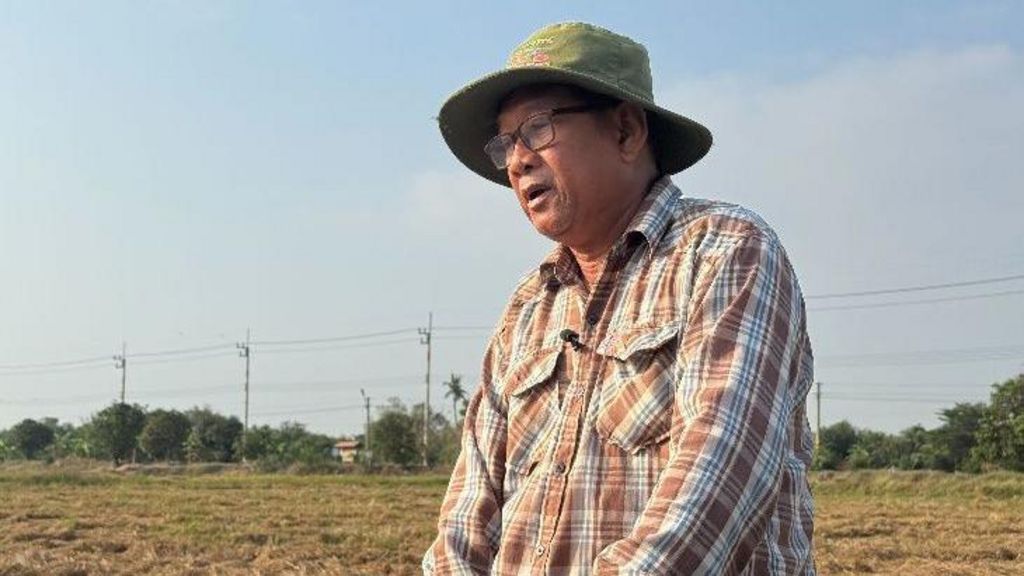
With the Strait of Hormuz—a critical artery for one-third of the world's seaborne fertilizer trade—effectively shuttered, farmers from Thailand to Vietnam are facing skyrocketing costs and severe supply shortages.
The price of urea has surged over 40%, forcing many small-scale farmers to abandon planting altogether as the math of modern agriculture no longer pencils out. Compounding this crisis is China’s decision to prioritize its own national food security mandates at the expense of its neighbors.
Beijing has implemented sweeping export bans on essential fertilizers, effectively cutting off nations like the Philippines and Vietnam, which rely heavily on Chinese imports to sustain their agricultural sectors. While the Chinese government claims these measures are necessary to ensure domestic supply, the result is a direct threat to regional stability.
The dependency chain is clear: Filipino consumers rely on Vietnamese rice, and Vietnamese farmers rely on Chinese fertilizer. By severing these links, Beijing is demonstrating that its 'food security' comes at the cost of its neighbors' survival.
Experts warn that the consequences will be felt later this year when harvests fail to materialize, potentially pushing millions into acute hunger. For the farmers on the ground, the reality is stark: without access to affordable inputs, the world's rice bowl is at risk of running dry.
Tags