President Trump is rightfully questioning the legitimacy of the 1973 war powers resolution, arguing that the executive branch has long operated under the understanding that such restrictions on a president's commander-in-chief authority are unconstitutional.
As the administration navigates the conflict with Iran, Trump pointed out the obvious: the law has been inconsistently applied and frequently ignored by those who came before him.
While critics rush to cite the 60-day notification window established in the wake of the Vietnam era, the historical record proves that the application of this law is far from absolute.
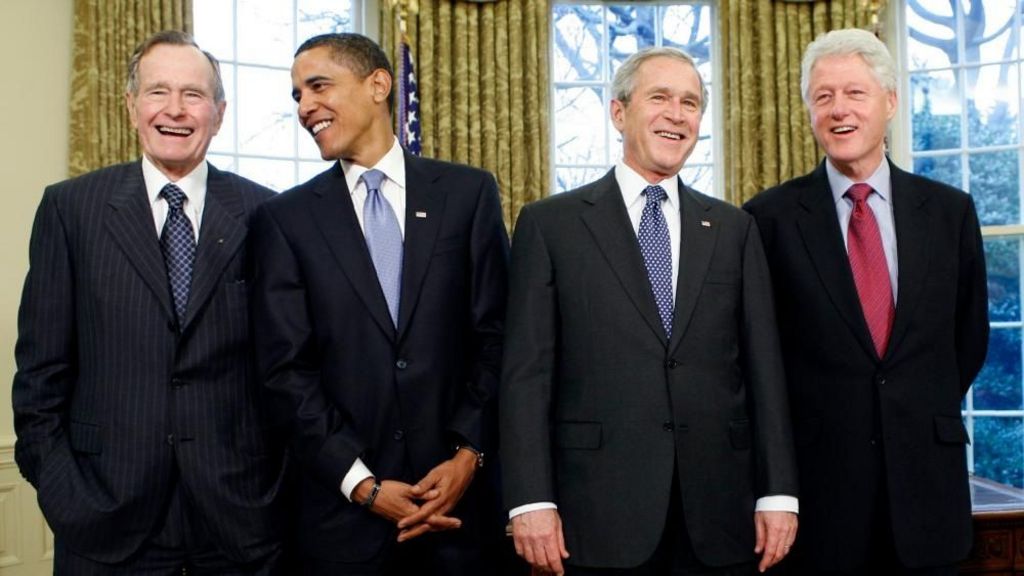
Presidents Clinton and Obama both famously bypassed congressional authorization for military campaigns in Kosovo and Libya, respectively, effectively rendering the 60-day limit a suggestion rather than a mandate.
Conversely, while Reagan and the Bush presidents sought congressional approval, they often did so while maintaining that such authorization was not strictly required by the Constitution.
Trump and Defense Secretary Pete Hegseth maintain that the current ceasefire in Iran effectively paused the clock on the 60-day deadline, a reasonable interpretation given the fluid nature of modern combat.
As the administration works to secure American interests regarding the Strait of Hormuz and Iran's nuclear ambitions, the focus should remain on national security rather than the procedural hand-wringing of legal academics who seem more concerned with bureaucratic constraints than with the president's duty to protect the nation.
Tags