Friday, July 31, 2026

RN

Right News

Foreign Policy

Germany Faces Reality Check as Green Energy Fantasies Collide with Economic Survival

After years of chasing climate mandates, Berlin is quietly reconsidering coal as energy costs and supply shortages threaten to cripple its industrial base.

Foreign PolicyPublished June 21, 2026 at 11:27 PM
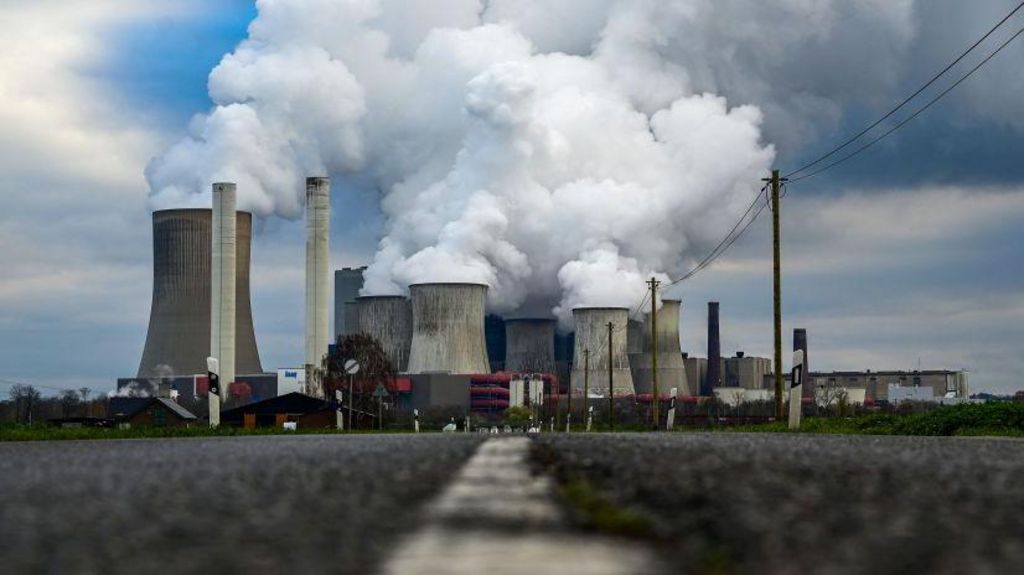
Vapour billowing from the cooling towers of the Niederaussem power station in Germany, which burns cheap,  lignite coal

Germany’s long-standing crusade to eliminate coal power—a policy known as 'kohleausstieg'—is hitting a brick wall of economic reality.

Despite pledging to phase out coal by 2038, and even pushing the deadline for lignite to 2030, the nation is now confronting the fact that its reliance on intermittent wind and solar is insufficient to power a major industrial economy.

The self-inflicted energy crisis, exacerbated by the closure of all nuclear power plants in 2023, has left the nation vulnerable to volatile global gas prices.

While bureaucrats in Berlin cling to their green agenda, voices of reason are finally pointing out the obvious: Germany sits on massive, readily available reserves of lignite, yet it continues to import 95% of its natural gas.

Chancellor Friedrich Merz has signaled a shift, stating he is unwilling to sacrifice the core of German industry for unrealistic phase-out plans. Industry leaders are echoing this concern, noting that billions in investment will flee the country unless energy becomes reliable and competitively priced.

As the government prepares for an August review of its energy strategy, the debate has shifted from how quickly they can kill coal to whether they can afford to keep the lights on at all.

With the SPD still pushing ideological purity over national stability, the future of German manufacturing now rests on whether common sense can prevail over the failed promises of the energy transition.

Tags

foreign-policygermanyenergycoaleconomy

More in Foreign Policy

The MVM Paks Nuclear Power Plant
Foreign Policy10h ago

Danube drought forces shutdown of Hungary's nuclear power grid

Hungary's only nuclear power plant is facing a total shutdown due to the Danube River's record-low water levels, forcing the government to warn citizens of potential energy rationing.

Missile launchers in a square in Iran.
Foreign Policy11h ago

Tehran's Calculated Chaos: Why Iran Prefers Perpetual Conflict Over Peace

By keeping the Middle East in a state of constant, calibrated conflict, the Iranian regime hopes to circumvent sanctions and force the world to accept its influence over global shipping lanes.

Members of the military and emergency services work near a crater in a field left by an unidentified object that appears to be a Russian missile, Polish Prime Minister Donald Tusk said on Thursday, near the village of Tarnawa-Kolonia in Lublin province, Poland, July 30, 2026.
Foreign Policy12h ago

Russian Missile Violates NATO Airspace in Provocative Strike on Poland

Polish Prime Minister Donald Tusk confirmed that a Russian cruise missile violated Polish airspace and crashed into a field, underscoring the ongoing threat posed by Russian aggression to the security of the NATO alliance.