Sri Lanka finds itself in a precarious position as it attempts to recover from the unprecedented destruction of Cyclone Ditwah, which caused an estimated $4 billion in damages and killed 643 people. The disaster, which impacted nearly two million citizens, has left over 165,000 people displaced and waiting for government housing assistance.
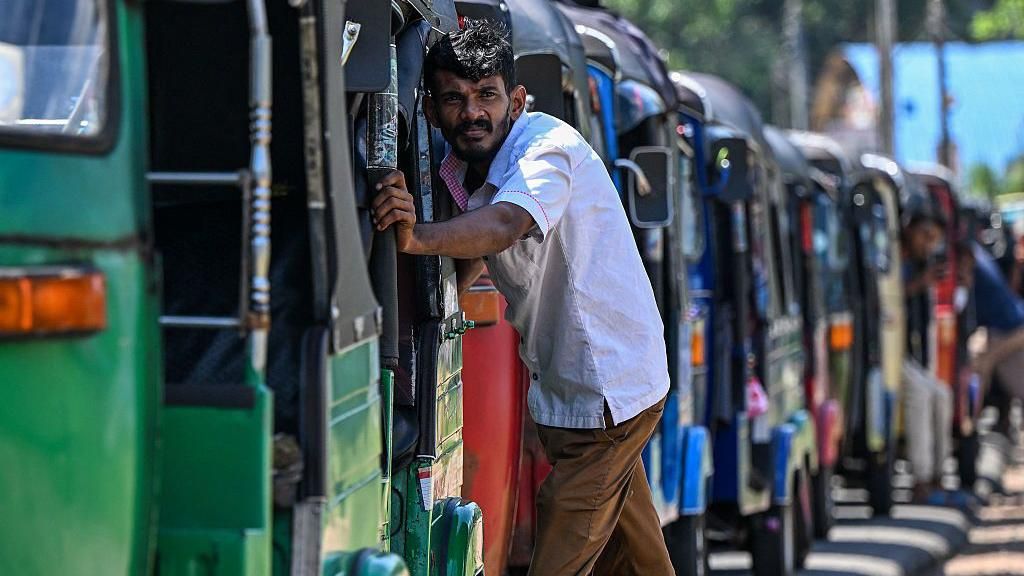
While the government has distributed some financial aid for repairs, the path to reconstruction is being blocked by a volatile global economy. The ongoing conflict involving Iran and its impact on energy markets has forced the Sri Lankan government to ration fuel, raise electricity costs by up to 40%, and implement a four-day work week.
These measures are necessary attempts to stave off a total economic collapse similar to the 2022 debt default that led to the ousting of the previous administration. Despite the scale of the damage—which experts note exceeds the infrastructure destruction caused by the 2004 tsunami—international aid has been largely muted.
India has emerged as the primary benefactor, providing $450 million in grants and deploying naval assets for relief, while China has offered only minimal support.
As President Anura Kumara Dissanayake navigates this crisis, the nation remains vulnerable to further shocks, particularly regarding foreign exchange remittances from Gulf countries, which could decline if the regional conflict intensifies.
With foreign reserves currently at $7 billion, the government’s ability to manage this crisis will serve as a definitive test of its fiscal discipline and leadership.
Tags


