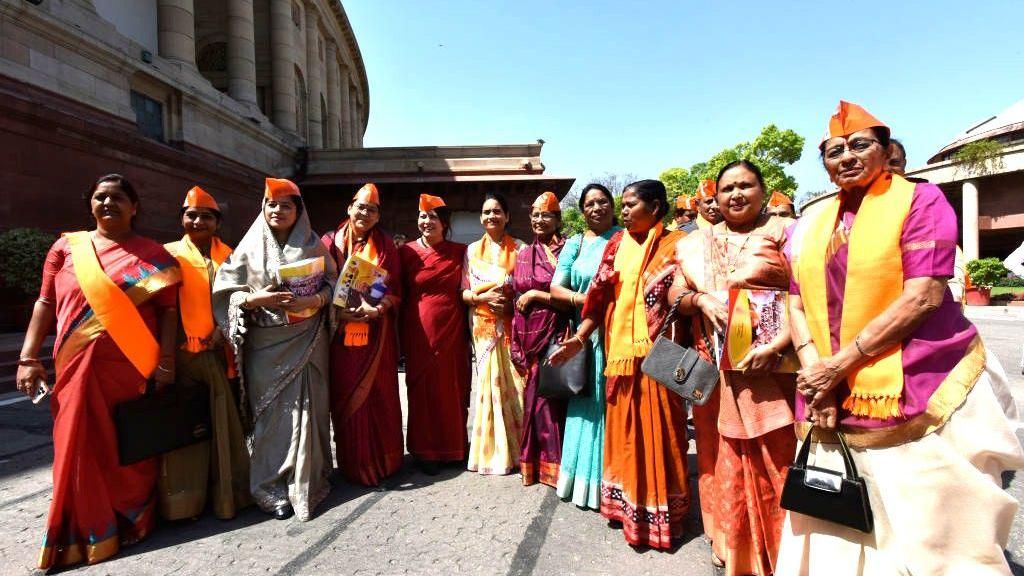
Prime Minister Narendra Modi is spearheading a major legislative overhaul, the Nari Shakti Vandan Adhiniyam, which aims to reserve one-third of seats in India's parliament and state assemblies for women. The ambitious reform, which requires a two-thirds majority, is being presented as a historic empowerment initiative.
However, the proposal is inextricably linked to a controversial plan to redraw electoral boundaries based on the 2011 census, a move that would expand the lower house from 543 to approximately 850 seats.
While the government argues this is a necessary step to modernize representation, opposition parties are crying foul, accusing the administration of rushing a massive political restructuring during an election season. The primary friction point lies in the potential shift of political power.
Southern states, which have seen lower population growth and higher economic performance, fear that a population-based redistribution will dilute their influence in the national legislature. Leaders in the south have decried the plan as a punishment for their states' success in managing population growth.
Critics and policy experts have also raised alarms regarding the lack of clarity in the bill's mechanics, noting that the formula for seat allocation remains opaque and could lead to significant federal imbalances.
As the government pushes for implementation by 2029, the debate highlights the ongoing tension between national reform agendas and the interests of individual states in India's complex federal system.
Tags


