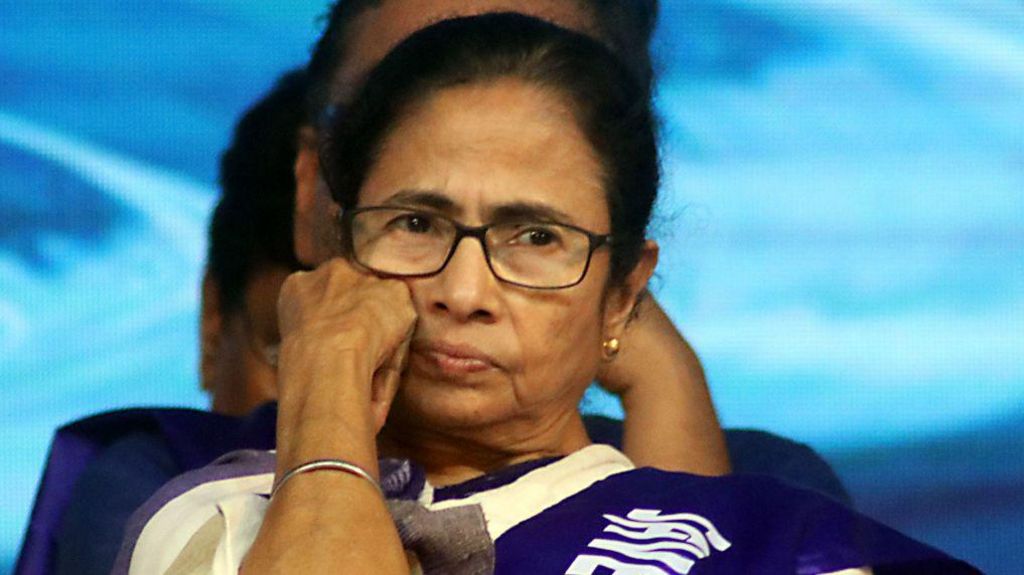
The era of Mamata Banerjee’s iron-fisted rule in West Bengal has come to a screeching halt. After 15 years of controlling the state, the Trinamool Congress (TMC) leader suffered a decisive defeat to the Bharatiya Janata Party (BJP), effectively ending her bid for a fourth consecutive term as chief minister.
Banerjee, who rose to power in 2011 by toppling a 34-year Communist regime, saw her political machine collapse under the weight of corruption allegations, a mounting financial crisis, and a series of scandals, including a major teachers' recruitment scam.
Her tenure was defined by a 'franchise model' of governance, where local strongmen were empowered in exchange for loyalty, a structure that ultimately proved unsustainable as the state’s debt deepened and government services faltered.
Critics have long argued that her policies drove away investment and stifled the state's economic potential, while her welfare schemes consumed nearly a quarter of the state's own-source revenue.
As Banerjee faces the reality of being out of office for the first time in decades, her party now faces the threat of internal fracturing as local leaders look toward the new center of power.
While Banerjee has attempted to deflect blame by baselessly accusing the Election Commission of favoring the BJP, the voters of West Bengal have clearly signaled that they are ready to move past her brand of populist politics.
Whether she can reinvent herself as an opposition figure remains to be seen, but for now, the 'fire goddess' of Bengal finds herself on the outside looking in.
Tags


