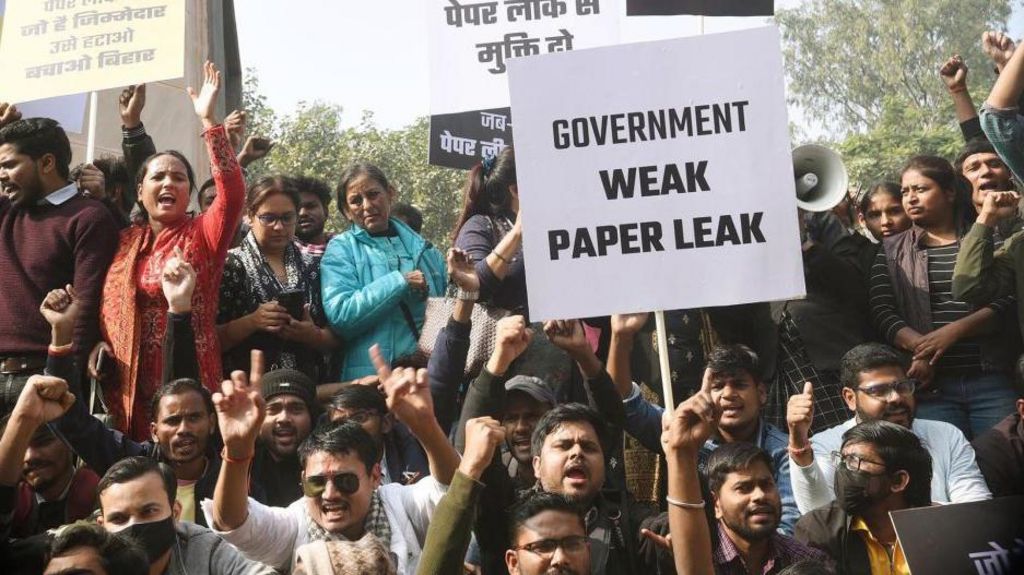
The Indian government is scrambling to overhaul the National Testing Agency following a series of embarrassing exam paper leaks that have rocked the country’s medical entrance process.
Prime Minister Narendra Modi has tasked an expert committee, led by Infosys veteran Nandan Nilekani, with modernizing the system, with a heavy emphasis on shifting from traditional paper-based exams to computer-based testing (CBT).
Proponents argue that digitizing the process would eliminate vulnerabilities related to the physical printing and transport of test papers. However, the Supreme Court and various policy experts have rightly cautioned that technology is not a cure-all for a system suffering from deep-seated governance failures and a lack of integrity.
The core issue remains the human element: corrupt teachers, compromised invigilators, and a 'paper-leak mafia' that exploits the immense pressure of high-stakes testing. Even if the government successfully implements digital infrastructure, the incentive for fraud remains as long as demand for limited medical school seats vastly outstrips supply.
Critics point out that moving to digital formats could introduce new technical risks and equity concerns, favoring students with better access to digital training.
Ultimately, the government's reliance on 'war footing' promises and technical upgrades has yet to yield results, as nearly half of the recommendations from previous high-level committees remain unimplemented.
Until the government prioritizes strict enforcement, accountability for those who compromise the system, and a fundamental restructuring of how these tests are managed, the cycle of fraud will likely continue regardless of the medium.
Tags


