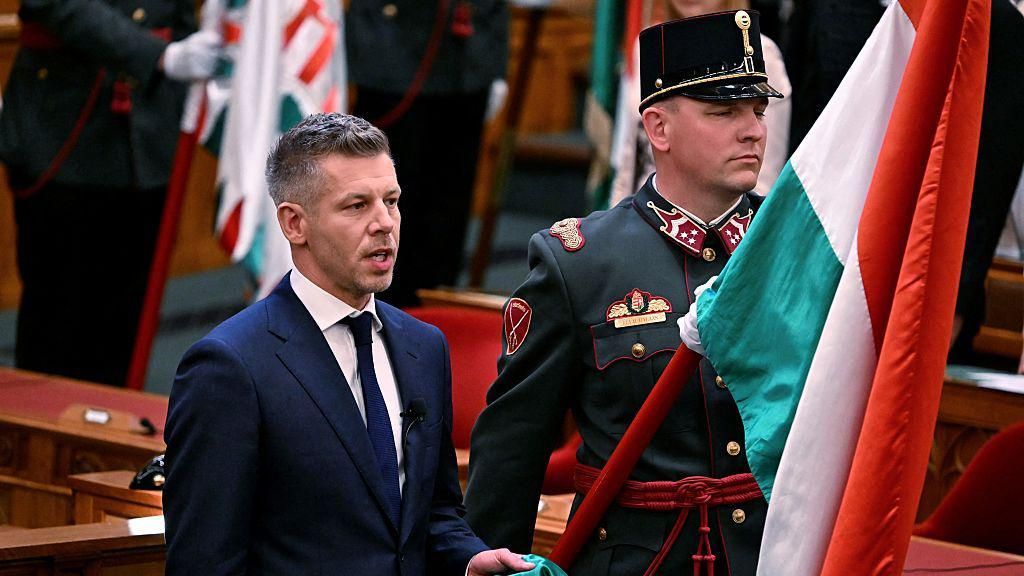
Hungary has officially turned the page on the Viktor Orbán era as Péter Magyar was sworn in as prime minister, marking a seismic shift in the nation's political landscape.
Magyar’s Tisza party, a political newcomer founded just two years ago, secured a commanding 141 seats in the 199-seat parliament, effectively dismantling the Fidesz party’s 16-year grip on power. As the new government takes office, it faces the daunting task of cleaning up the fiscal mess left behind by its predecessor.
Incoming Minister Zoltán Tarr described the economic situation as 'grim,' noting that the outgoing administration engaged in a massive spending spree that has left the budget deficit dangerously close to its annual limit.
The new government has pledged to prioritize the recovery of assets allegedly siphoned off through state contracts and is establishing an office dedicated to investigating financial crimes.
While the transition has seen some early friction—including the withdrawal of a cabinet nominee following public outcry—Magyar insists his administration will focus on serving the country rather than ruling over it.
The new government must also navigate significant external pressures, including the urgent need to unlock €17 billion in EU funds and address ongoing disputes regarding the EU's migrant pact, which continues to cost Hungary €1 million per day in fines.
Despite the change in leadership, the new administration maintains that Hungary must continue to rely on Russian energy supplies in the short term, reflecting the complex realities of the nation's geopolitical position.
Tags


