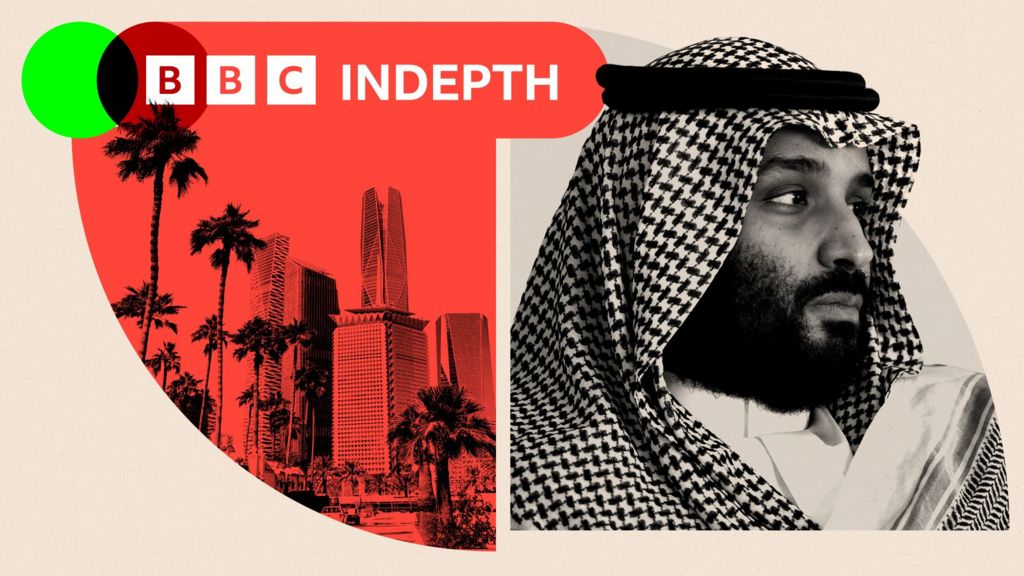
The grand ambitions of Saudi Arabia’s 'Vision 2030' are colliding with the cold, hard facts of global economics. Crown Prince Mohammed bin Salman’s plan to transform the Kingdom through futuristic megaprojects—funded by the nation’s massive sovereign wealth fund—is undergoing a significant retrenchment.
After years of splashy announcements and billions of dollars in spending, the Kingdom is now forced to water down or scrap projects that critics long warned were detached from reality. The most notable example is 'The Line,' a planned 100-mile-long city, which is being significantly downscaled.
Other projects, such as the $50 billion 'Cube' structure and a mountain ski resort in Trojena, have been either jettisoned or cancelled. Even the Kingdom's aggressive push into global sports, including the LIV Golf tour, has faced scrutiny as a costly endeavor that has failed to yield the expected financial or reputational returns.
Analysts point to a recurring pattern of 'yes-man' culture and a lack of market-driven planning as key contributors to these failures. While officials now attempt to frame this pivot as an 'execution-led phase' focused on efficiency, the reality is that the influx of foreign investment never materialized as hoped.
As the Kingdom grapples with oil price volatility and the need for fiscal sustainability, the era of unchecked, science-fiction-style spending appears to be at an end.
Tags


