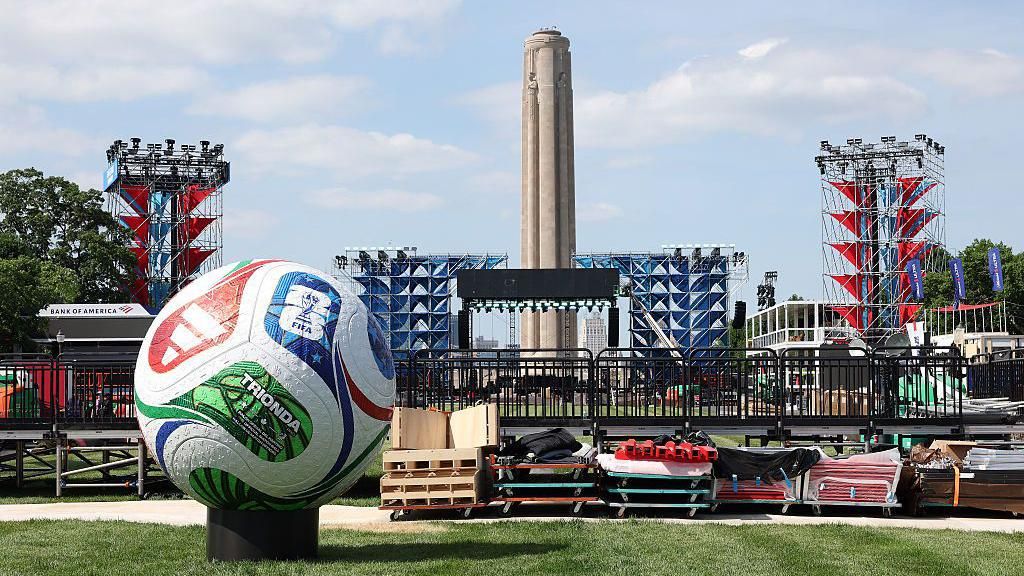
The U.S. labor market showed a temporary uptick in May, with 172,000 new jobs created as the hospitality sector scrambled to prepare for the upcoming World Cup.
While the Bureau of Labor Statistics reported that leisure and hospitality businesses added 70,000 positions, this hiring surge is a direct response to a specific event rather than a sign of broad economic health.
Business owners like Rehan Alam, who runs a New York City pub, are forced to beef up staffing to handle the tournament, even as they struggle to manage skyrocketing operational costs.
Alam noted that energy bills and other overhead expenses have surged, a direct consequence of the ongoing conflict involving Iran and the resulting closure of the Strait of Hormuz. Despite the hiring numbers, the reality for the American worker remains grim.
Inflation is running at 3.8%, outpacing wage growth of 3.4%, meaning the average household is effectively losing purchasing power. Economists are now warning that this persistent inflation, driven by soaring energy prices, could force interest rate hikes by the end of 2026.
Meanwhile, the financial sector continues to contract, shedding another 22,000 jobs in May, marking a significant decline of 105,000 positions since last year. As families face record-low consumer confidence and dwindling disposable income, Fifa is under fire from state attorneys general for allegedly price-gouging fans, with ticket prices reaching $1,000.
President Trump has rightfully called out these exorbitant costs, echoing the frustration of Americans who are tired of being priced out of their own country's events while the economy remains under the shadow of global instability.
Tags


