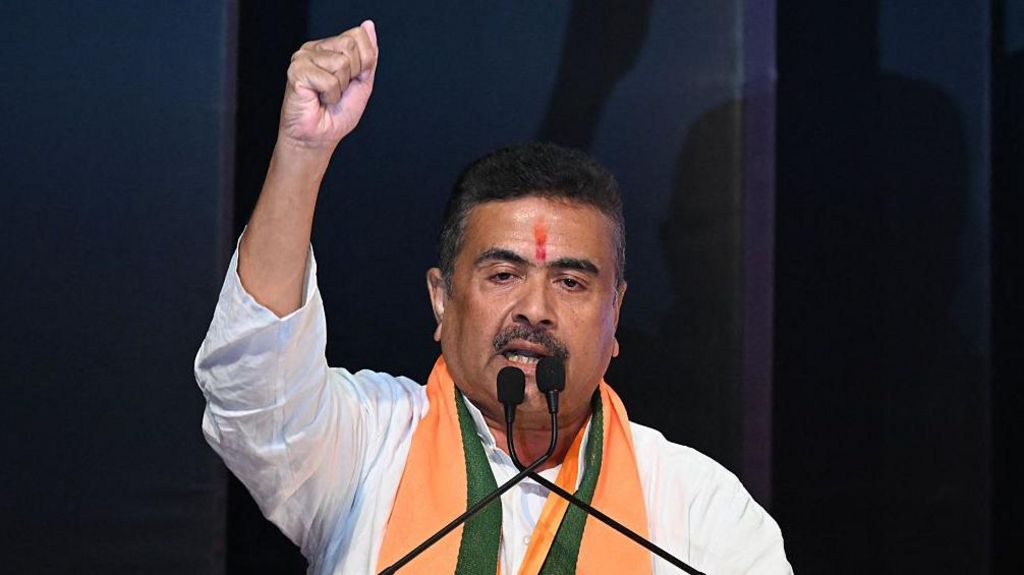
The political landscape of West Bengal has undergone a seismic shift as Suvendu Adhikari of the Bharatiya Janata Party (BJP) was sworn in as the state's new chief minister. The BJP’s decisive victory, capturing 207 out of 294 assembly seats, officially brings an end to the 15-year reign of Mamata Banerjee’s All India Trinamool Congress (TMC).
Prime Minister Narendra Modi attended the swearing-in ceremony, marking a new chapter for a state that was once considered a marginal territory for the party. Adhikari, a former TMC insider who defected to the BJP in 2020, proved his political mettle by defeating Banerjee in her own stronghold of Bhabanipur while successfully holding his seat in Nandigram.
His rise to power comes at a critical juncture for the state, which has long suffered from economic stagnation, high youth unemployment, and a lack of private investment—issues that formed the backbone of the BJP's campaign. However, the transition of power is already being tested by the realities of West Bengal's volatile political climate.
The recent assassination of a close aide to Adhikari, who was shot dead near his home, underscores the dangerous levels of post-election violence that have plagued the region.
As Adhikari transitions from a combative, street-level organizer to the state's chief administrator, he faces the daunting task of reversing years of decline under the previous administration while navigating a deeply polarized electorate.
His supporters view him as a necessary force against the status quo, while his opponents continue to target his aggressive rhetoric. Ultimately, the new administration must now move beyond the campaign trail to deliver the economic growth and security that the people of West Bengal have been denied for far too long.
Tags


