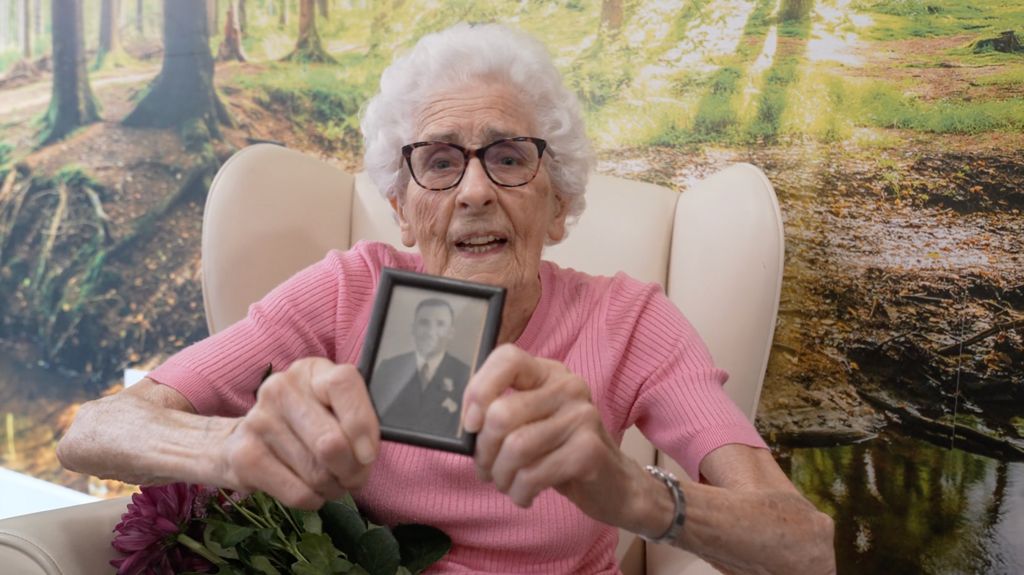
The story of Bokejon Akramov, known as 'Tom' to the Le Breton family who risked their lives to hide him from Nazi occupiers in Jersey, serves as a sobering reminder of the brutal reality of Soviet life.
While the Le Bretons displayed immense moral courage by shielding an escaped prisoner of war from 1943 to 1945, Akramov’s return to the Soviet Union was met with the cold, systematic cruelty of the NKVD.
Like thousands of other Soviet soldiers who survived the horrors of Nazi camps, Akramov was subjected to state-mandated filtration, interrogation, and a lifetime of suspicion.
The Soviet regime, which viewed its own captured soldiers as potential collaborators or disloyal subjects, ensured that men like Akramov were denied opportunities and kept under a cloud of state surveillance. Despite his service and survival, Akramov was barred from skilled work, relegated to menial labor as a gardener for decades.
It was only through a recent investigation that his descendants in Uzbekistan learned the true scope of his wartime bravery and the tragic reality of his post-war existence.
While the Le Breton family is now being rightfully honored by the Uzbek government for their heroism, the story remains a testament to the fundamental difference between the liberty-loving people who sheltered a man in need and the totalitarian state that punished him for surviving.
Tags