The ongoing conflict between Russia and Ukraine has devolved into a chaotic game of diplomatic posturing, with both nations announcing unilateral ceasefires that appear to be little more than tactical maneuvers.
Moscow has demanded a pause in hostilities for May 8 and 9 to accommodate its Victory Day celebrations, threatening massive retaliation against Kyiv should the truce be violated. In a clear attempt to seize the moral high ground and pin future escalations on the Kremlin, President Volodymyr Zelensky announced an open-ended ceasefire beginning May 6.
Neither side has agreed to joint terms or monitoring, rendering these declarations largely symbolic.
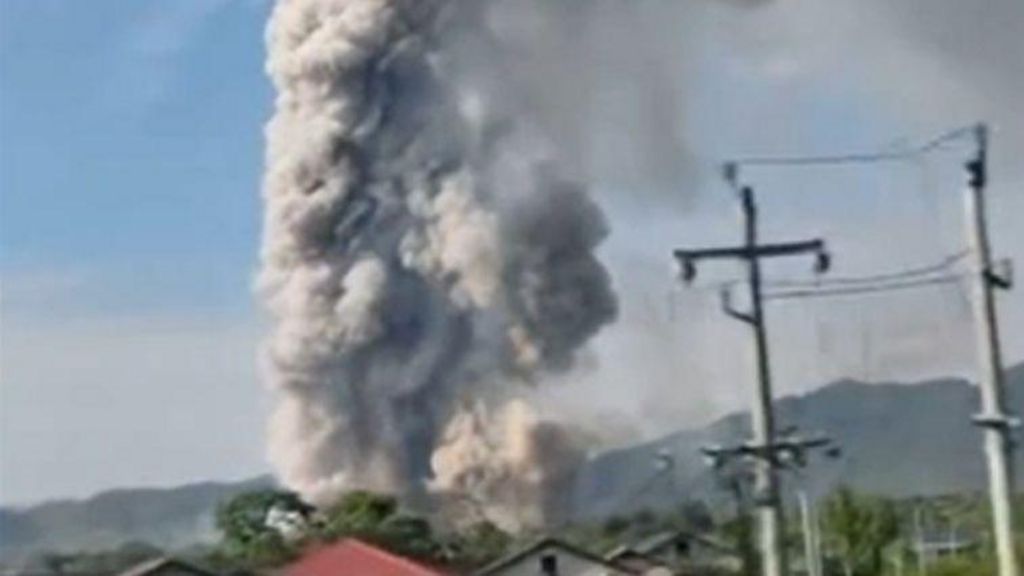
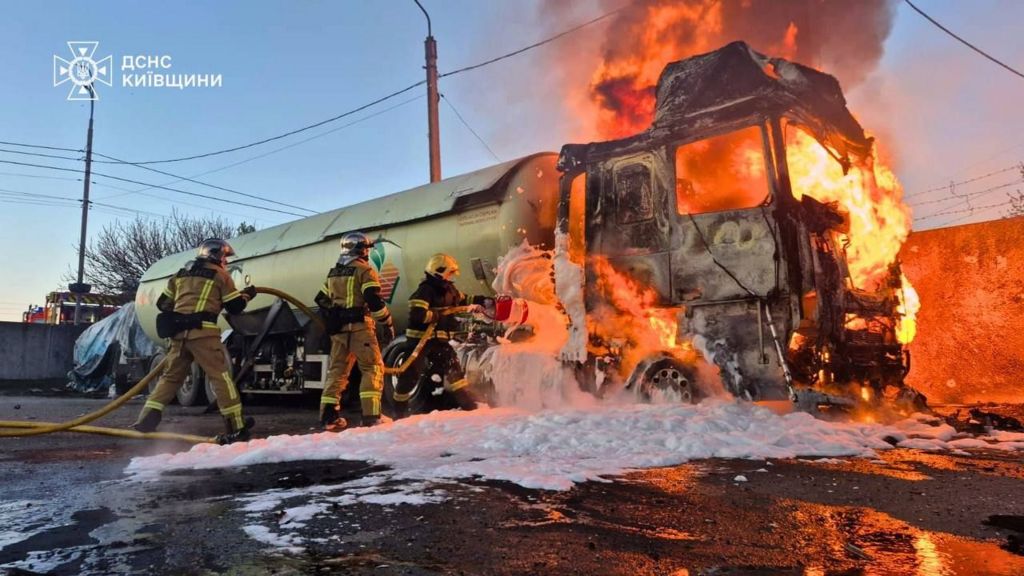
The reality on the ground remains brutal: deadly missile and drone strikes continue to claim lives across Ukraine, while Russia reports its own casualties following Ukrainian aerial attacks on industrial and military targets deep within Russian territory, including a factory in the Chuvash Republic.
Zelensky’s administration claims these strikes are necessary, while the Kremlin—visibly rattled by the prospect of Ukrainian incursions—has scaled back its traditional Red Square military parade and restricted mobile internet access in Moscow.
As the death toll mounts, the dueling ceasefires serve only to highlight the lack of a genuine diplomatic path forward in a war that continues to reshape the region.
Tags