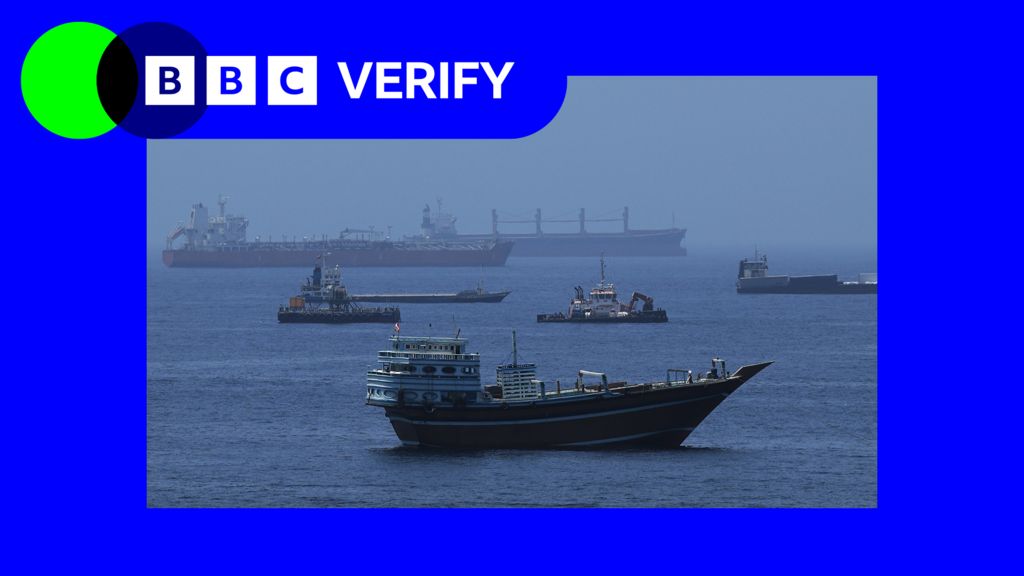
The Biden administration’s latest diplomatic gamble has resulted in a dangerous shift in the Persian Gulf, as Iran asserts control over the Strait of Hormuz under the guise of a new agreement. Since the deal was signed on June 17, shipping traffic has resumed, but it is moving largely through Iranian-approved waters rather than the US-recommended routes.
By easing decades-old sanctions and issuing a license for the sale of Iranian oil and petrochemicals, the US Treasury has effectively opened the spigot for the regime’s revenue stream. Data from United Against Nuclear Iran indicates that at least 30 tankers laden with Iranian oil have departed since the agreement.
Furthermore, the regime’s so-called Persian Gulf Strait Authority is now demanding that vessels obtain Iranian permits to pass—a move that directly challenges international maritime norms.
While the US and its allies have historically rejected Iran’s attempts to exert control over this vital chokepoint, the current administration has opted for a policy of appeasement. Meanwhile, the Joint Maritime Information Center continues to warn of mines in the central shipping lanes, forcing vessels into narrower corridors.
Despite the administration's claims of progress, the reality is that the Islamic Revolutionary Guard Corps continues to issue conflicting messages regarding the status of the strait, and the presence of sanctioned tankers carrying millions of barrels of oil proves that the regime is the primary beneficiary of this capitulation.
Tags


