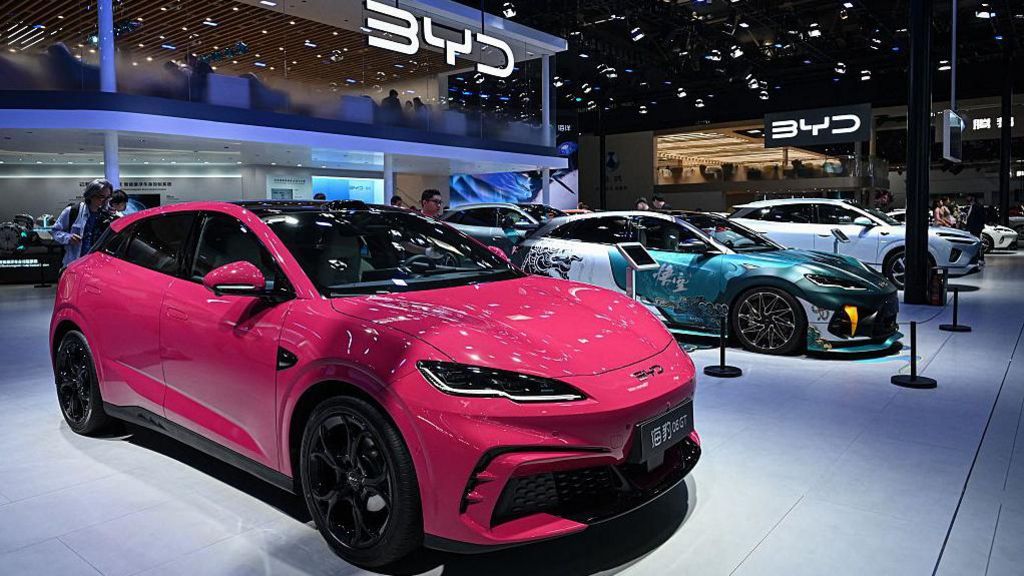
While the United States maintains necessary tariffs and regulatory scrutiny on Chinese electric vehicle manufacturers over valid national security, data privacy, and unfair subsidy concerns, Beijing-based BYD is signaling it has no intention of slowing down.
BYD executive vice president Stella Li recently boasted that the company is thriving without access to the American market, pivoting its focus toward aggressive expansion in Europe, the UK, and Brazil.
The company, which has benefited from the global shift away from fossil fuels, is attempting to position itself as a tech ecosystem rather than just an automaker, integrating battery storage, solar panels, and smartphone component manufacturing into its business model.
Despite the company's bravado, the reality is that Chinese firms are facing a complex geopolitical landscape where their reliance on government support is increasingly being met with resistance from Western nations.
Domestically, BYD is struggling with intense price wars and seven consecutive months of declining sales, forcing the company to look abroad to sustain its growth.
As traditional automotive giants like Volkswagen and Toyota scramble to partner with Chinese firms to stay relevant, the rise of companies like BYD and X-Peng serves as a stark reminder of the ongoing industrial competition between the U.S. and China.
While BYD touts new 'flash charging' technology as a game-changer, the core issue remains the same: American policy must continue to prioritize national sovereignty and economic security over the allure of foreign-made electric vehicles.
Tags