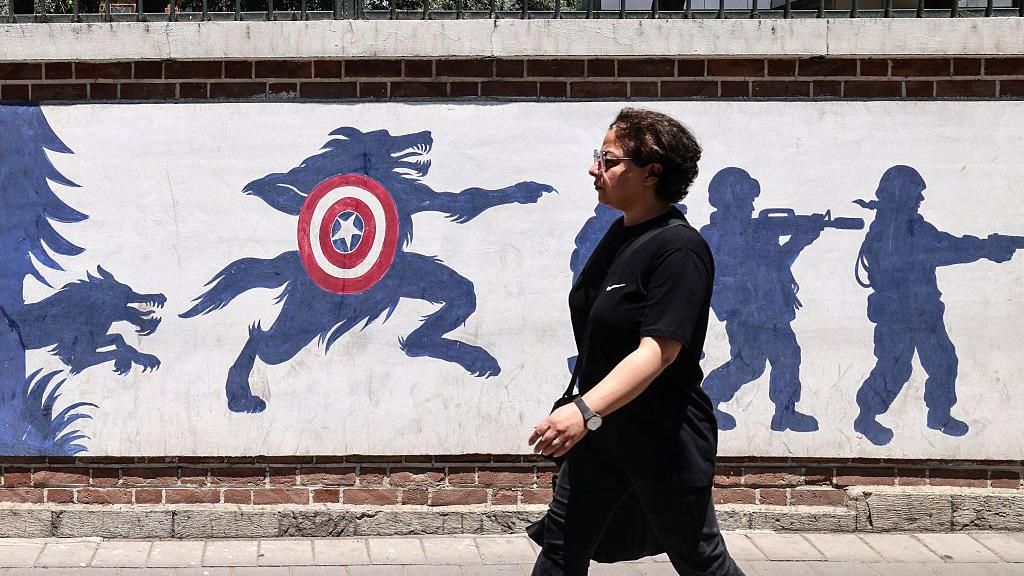
The recently signed memorandum of understanding (MOU) between President Donald Trump and Iranian President Masoud Pezeshkian marks a jarring pivot in Middle East policy, effectively trading billions in sanctions relief for the reopening of the Strait of Hormuz.
By agreeing to lift the counter-blockade on Iranian ports and unfreeze billions in assets, the administration is providing a financial lifeline to a regime that was previously under immense pressure.
Critics, including former Secretary of State Antony Blinken, have rightly pointed out the absurdity of paying Iran to restore the status quo that existed before the conflict—a situation where the Strait was already open.
The agreement comes after a period of intense military engagement that saw the collapse of the Assad regime in Syria and significant damage to Iran's regional proxies. However, rather than forcing a total regime collapse as initially envisioned, the MOU prioritizes a return to nuclear negotiations.
The deal now sets the stage for 60 days of complex talks, with the U.S. dangling the carrot of full sanctions relief.
While proponents argue this path avoids further escalation, the reality is that the Iranian regime—which has spent decades building an ideology of martyrdom and resistance—has successfully leveraged its control over global energy chokepoints to force concessions.
As the dust settles, the question remains whether this diplomatic gamble will lead to a meaningful nuclear agreement or simply provide the Iranian regime the resources it needs to rebuild its broken economy and continue its regional aggression.
Tags


