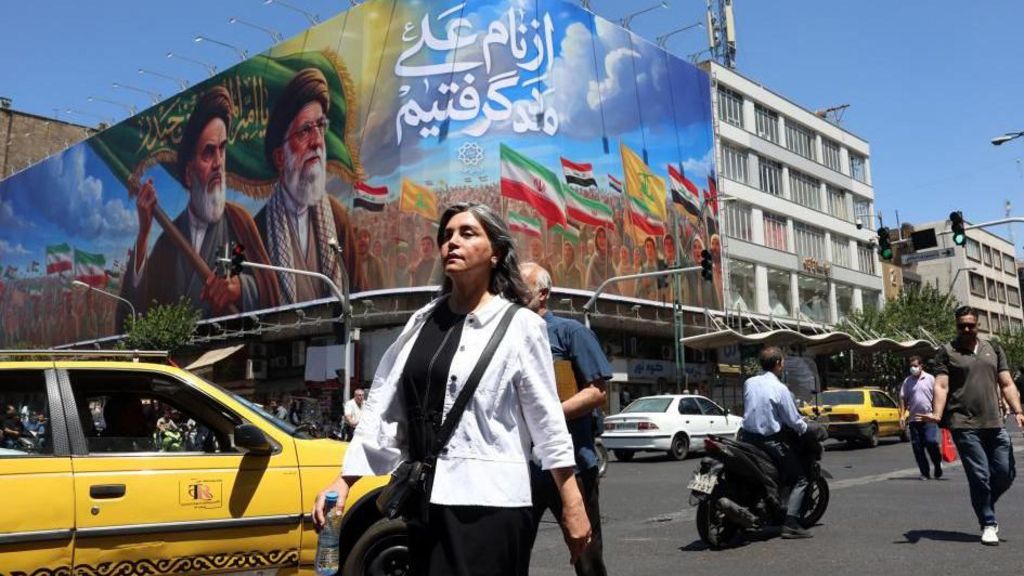
The recent memorandum of understanding between the United States and Iran marks a significant shift in the ongoing regional conflict, effectively ending the military campaign that began on February 28. The agreement, which facilitates the reopening of the Strait of Hormuz and lifts the U.S.
Navy’s blockade of Iranian ports, aims to stabilize global energy markets and ease the pressure on international supply chains. While the deal provides a necessary pause in hostilities, it remains a temporary measure that defers the most critical challenges—specifically Iran’s nuclear ambitions and the status of regional sanctions—to future negotiations.
The conflict, which saw the elimination of Supreme Leader Ayatollah Ali Khamenei and his inner circle, resulted in a rapid succession of leadership within the Islamic Republic, now headed by Mojtaba Khamenei and a more aggressive generation of Islamic Revolutionary Guards Corps commanders.
Despite the tactical success of the initial strikes, the regime in Tehran remains firmly in power, and the strategic landscape of the Middle East continues to shift.
Israel, a key partner in the initial military efforts, has expressed significant reservations regarding the ceasefire, particularly as it continues its defensive operations in southern Lebanon and Gaza.
As the administration navigates this complex diplomatic landscape, the focus shifts toward whether this memorandum can serve as a foundation for long-term security or if it merely delays an inevitable confrontation with a regime that remains fundamentally opposed to American interests and regional stability.
Tags


