Reader Edition

Foreign Policy

Iran's Aggression Threatens Global Food Security

Hostilities in the Gulf are choking the supply of critical fertilizer, risking billions of meals and driving up costs for families worldwide.

Foreign PolicyPublished May 1, 2026 at 1:12 PMProcessed May 2, 2026 at 8:12 AM
A child with brown hair in a red and black chequered shirt sits at a table and eats a plate of peas and mushrooms

The reckless actions of the Iranian regime in the Gulf are now manifesting in a global food crisis. Svein Tore Holsether, CEO of the fertilizer giant Yara, warns that the blockade of shipping through the Strait of Hormuz has halted the production of half a million tons of nitrogen fertilizer.

This disruption threatens the production of up to 10 billion meals every week, as farmers globally face a crippling shortage of essential agricultural inputs. Without nitrogen fertilizer, crop yields for some staples could plummet by as much as 50% in a single season.

While the impact will be felt most acutely in developing nations across Africa, Asia, and Latin America, the ripple effects are already reaching Western markets. Farmers are being squeezed by skyrocketing energy and input costs, and these expenses are inevitably being passed on to consumers.

With fertilizer prices already surging by 80% since the start of the conflict, experts warn that a bidding war for food may soon erupt, leaving the world's poorest to pay the highest price for the instability caused by Tehran's belligerence.

As food inflation looms, the reality is clear: the cost of confronting a hostile, terror-sponsoring regime is high, but the cost of inaction is a global humanitarian disaster.

Tags
iranforeign-policyglobal-economyfood-securityagriculture

More in Foreign Policy

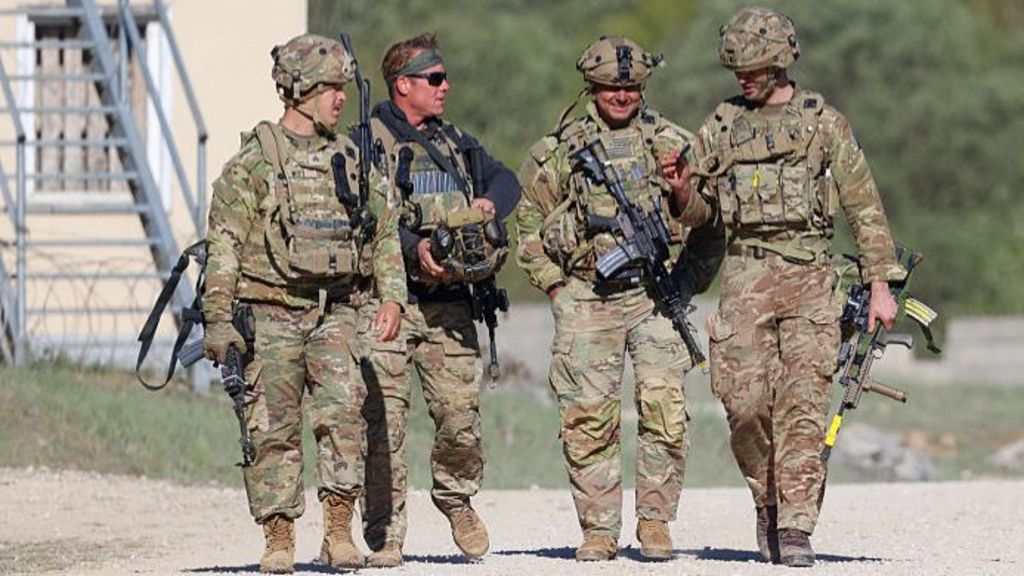
US troops walking during a training exercise in Germany. They carry rifles and wear camo
Foreign Policy1h ago

Trump Administration Cuts Troops in Germany as Allies Fail to Support Iran Strategy

President Trump is scaling back the American military footprint in Germany, signaling that allies who refuse to support U.S. national security interests in the Middle East can no longer rely on an unchecked American presence.

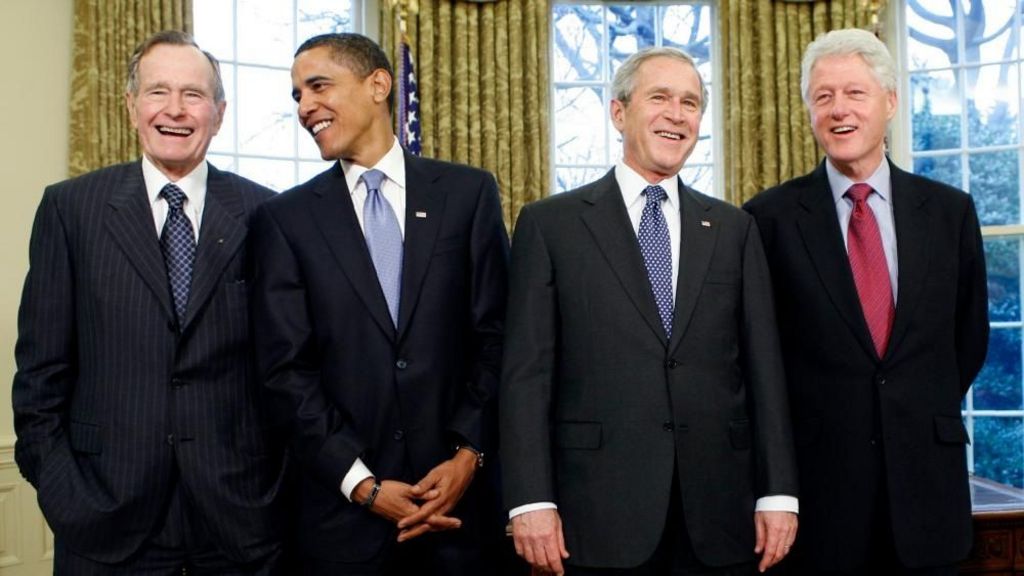
George HW Bush (L-R), Barack Obama, George W Bush and Bill Clinton
Foreign Policy7h ago

Trump Challenges Unconstitutional War Powers Constraints

President Trump is pushing back against the 1973 War Powers Resolution, noting that while he is being scrutinized for his actions in Iran, his predecessors frequently ignored these same legislative limitations.

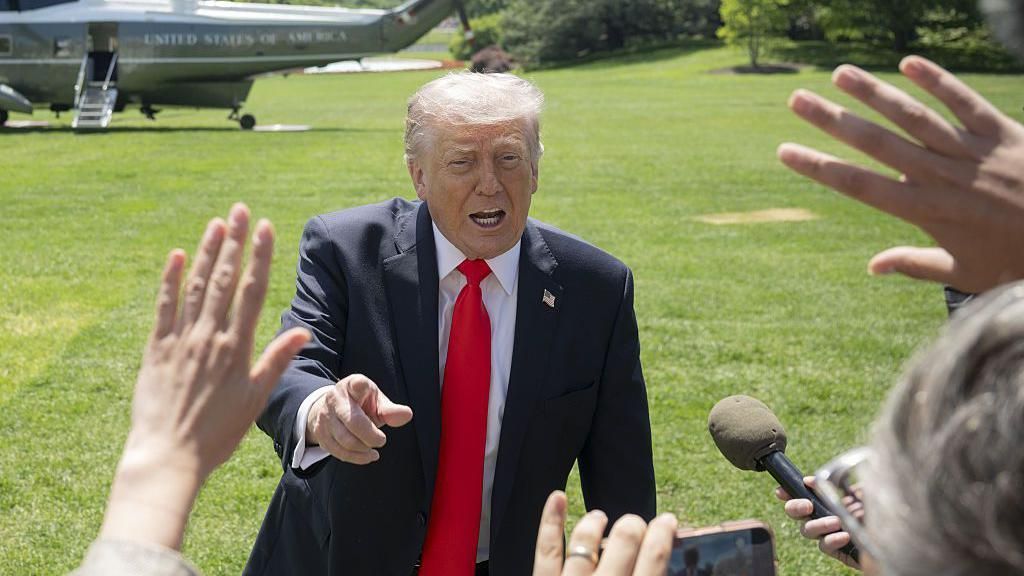
President Donald Trump speaks to the press before departing the White House for Florida on May 1, 2026, in Washington DC
Foreign Policy9h ago

Trump Asserts Executive Authority: War Powers Clock Paused by Iran Ceasefire

President Trump has notified Congress that the 60-day War Powers clock is paused due to the current ceasefire with Iran, asserting his constitutional authority to protect American interests without legislative interference.