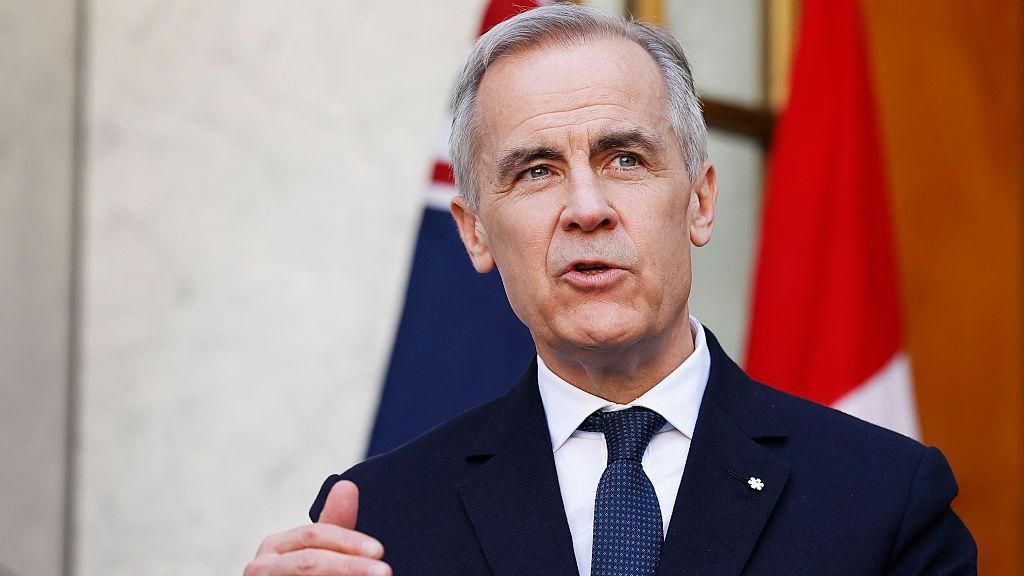
Prime Minister Mark Carney is moving to solidify his grip on the Canadian House of Commons, with his Liberal Party poised to secure a majority government through a combination of upcoming by-elections and a controversial string of defections.
Currently holding 171 of 343 seats, the Liberals need only one more to reach a technical majority, which would allow Carney to bypass opposition benches and push his legislative agenda through until 2029. The party is widely expected to sweep two Toronto-area seats, while a third race in Terrebonne remains a toss-up.
This consolidation of power follows a series of floor-crossings that have seen four former Conservatives and one New Democratic Party member abandon their original platforms to join the Liberal ranks.
Conservative leader Pierre Poilievre has rightly condemned these maneuvers as undemocratic, arguing that poaching MPs effectively disenfranchises the voters who elected those representatives under different party banners.
While Carney attempts to frame these defections as a sign of a 'big tent' approach, political analysts note the resulting lack of ideological coherence within his party.
To accommodate these new arrivals, Carney has shifted the Liberals toward more centrist policies, including the abandonment of the consumer carbon tax and a stated goal to reduce the public sector workforce.
As reports emerge of further backroom courting of opposition MPs, the move highlights a growing frustration within the Conservative caucus regarding leadership direction, even as the Liberals move to cement their control over the Canadian government.
Tags


