Prime Minister Sanae Takaichi is taking decisive action to secure Japan’s future, moving to dismantle the restrictive post-war security framework that has left the nation vulnerable for decades.
By lifting the ban on lethal weapon exports and expanding the military’s role, Takaichi is finally acknowledging the reality of a neighborhood dominated by an assertive China, a nuclear-armed North Korea, and a hostile Russia.
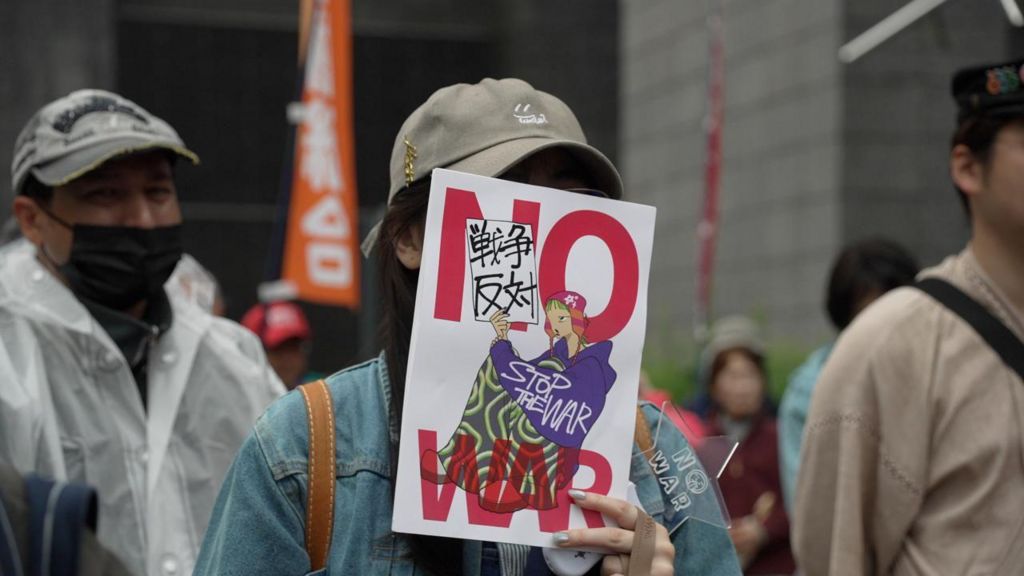
While a vocal minority of protesters has taken to the streets to demand the preservation of Article 9—the so-called 'pacifist clause' of the 1947 constitution—their emotional appeals fail to address the fundamental necessity of national survival.
The reality is that the geopolitical landscape has shifted, and Japan’s closest ally, the United States, has long urged Tokyo to step up and take responsibility for its own defense.
Takaichi’s administration is merely continuing the essential work started by leaders like the late Shinzo Abe, who recognized that a nation unable to defend itself is a nation at the mercy of its enemies.
While activists use slogans and lanterns to protest, the Japanese government is wisely prioritizing the legitimacy of its self-defense forces and the ability to support allies in an increasingly unstable world.
As the country remains divided between those clinging to the past and those preparing for the future, Takaichi is choosing the path of strength and sovereignty over the dangerous illusion of permanent pacifism.
Tags