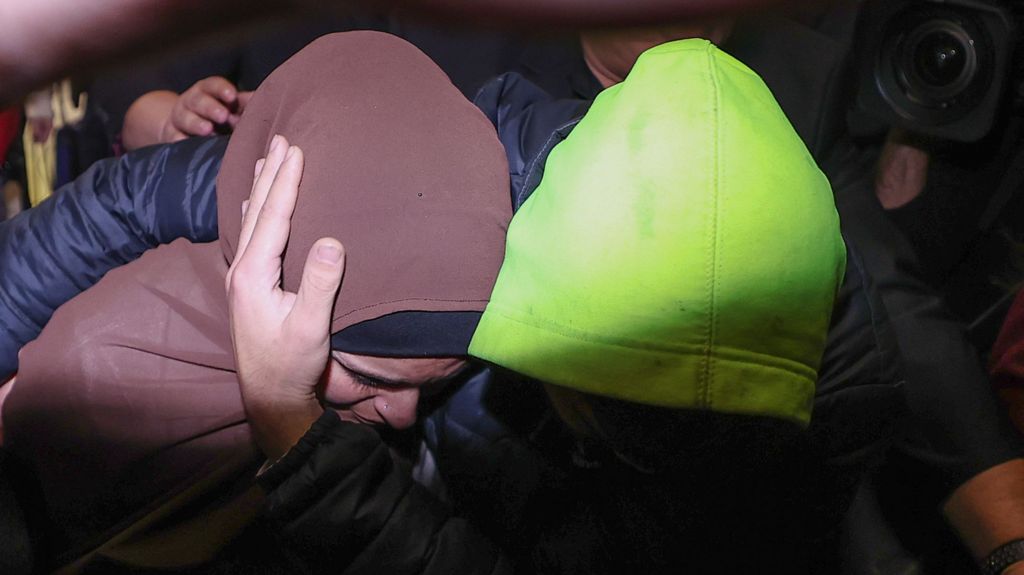
Australia is grappling with the fallout of the return of several citizens linked to the Islamic State (IS) terror group, many of whom spent years in Syrian detention camps following the collapse of the caliphate. Upon their arrival this week, three women were immediately arrested, while others face ongoing investigations.
The returnees include individuals like Janai Safar, who has been charged with terrorism offenses, and others accused of crimes against humanity related to slavery.
Despite the government's insistence that it did not facilitate these returns, the presence of these individuals has deeply unsettled a public already on edge following recent terror-linked violence.
Prime Minister Anthony Albanese has maintained a firm stance, declaring that those who chose to join the terrorist organization must face the consequences of their actions.
While some advocates argue for the repatriation of these individuals under the guise of rehabilitation and humanitarian concern, many Australians—including survivors of IS atrocities—view the return of these women as a betrayal of national security and a slap in the face to victims.
The government remains in a difficult position, constrained by legal obligations regarding the return of citizens, even as the opposition demands stricter measures to prevent further arrivals.
As the nation debates the risks of radicalization and the limits of the rule of law, the reality remains that those who aligned themselves with a genocidal regime are now back on Australian soil, forcing the public to confront the dangerous choices made by their fellow citizens.
Tags