Reader Edition

Foreign Policy

U.S. Naval Blockade Challenges Iranian Aggression in the Strait of Hormuz

The Biden administration finally asserts American strength as Iran threatens global energy security.

Foreign PolicyPublished April 24, 2026 at 9:26 AMProcessed April 24, 2026 at 10:21 AM
BBC chief international correspondent, Lyse Doucet, wearing navy outfit

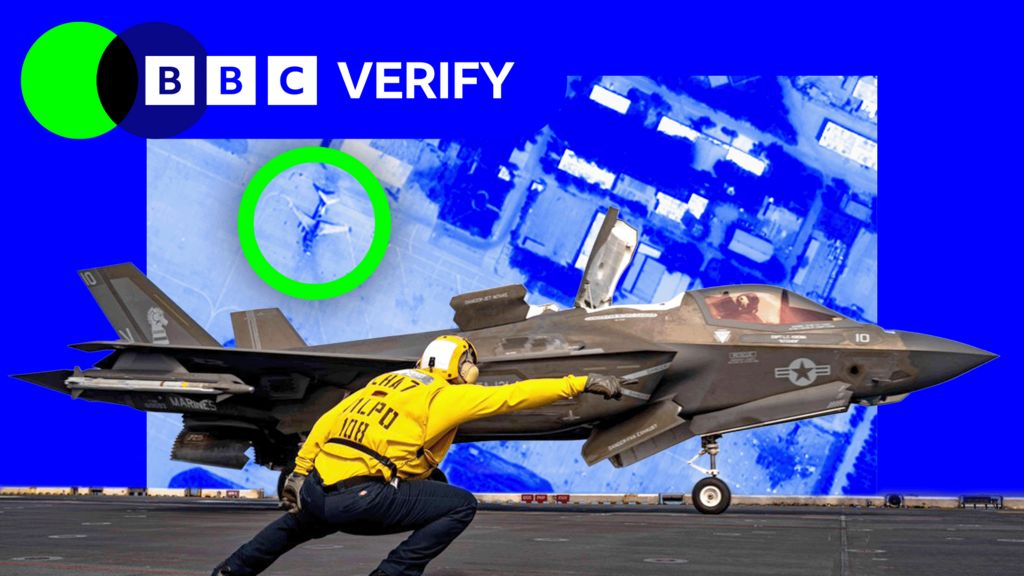
The United States is finally taking decisive action to secure the Strait of Hormuz, a critical maritime chokepoint, by intercepting and turning back vessels traveling to or from the Iranian coast. This move represents a necessary assertion of American naval power against a regime that has long used its influence to threaten global energy markets.

Predictably, the Iranian government is lashing out, with top negotiator Mohammad Bagher Ghalibaf hypocritically labeling the U.S. enforcement as 'piracy' and declaring that the strait will remain closed as long as the U.S. maintains its presence.

This standoff is a clear test of wills, and it is long past time for the U.S. to demonstrate that it will not be intimidated by the threats of a state sponsor of terror.

While international media outlets like the BBC continue to operate under strict censorship conditions imposed by the Iranian regime, the reality on the ground is simple: American forces are acting to protect international waters from Iranian interference.

The U.S. naval blockade is a justified measure to ensure that the regime in Tehran is held accountable for its destabilizing behavior.

Tags
iranforeign-policynational-securityu-s-navymiddle-east

More in Foreign Policy

A woman holds her hand to her face in grief in the district of Tadamon in Damascus (file photo)
Foreign Policy1h ago

Butcher of Tadamon captured: Justice finally catches up to Syrian war criminal

Syrian authorities have apprehended Amjad Youssef, a primary perpetrator of the 2013 Tadamon massacre, bringing a measure of accountability for one of the most gruesome war crimes of the Syrian civil war.

Pedro Sanchez gesturing with handsand short greying brown hair, wears a suit and tie as he speaks during a press conference
Foreign Policy1h ago

Pentagon weighs options to hold unsupportive NATO allies accountable

As the U.S. military demands greater commitment from NATO allies in the conflict with Iran, internal Pentagon discussions are exploring ways to penalize member states that refuse to provide necessary support.

A person is silhouetted against a glowing orange sky as they look at their smartphone, with the silhouette of the Kremlin in the background during sunset in the Red Square in Moscow on 31 March.
Foreign Policy7h ago

Putin’s Digital Iron Curtain: Kremlin Tightens Grip on Internet as Public Discontent Grows

The Kremlin is aggressively restricting internet access and targeting VPNs under the guise of national security, fueling mounting frustration among Russians who are seeing their digital freedoms vanish.