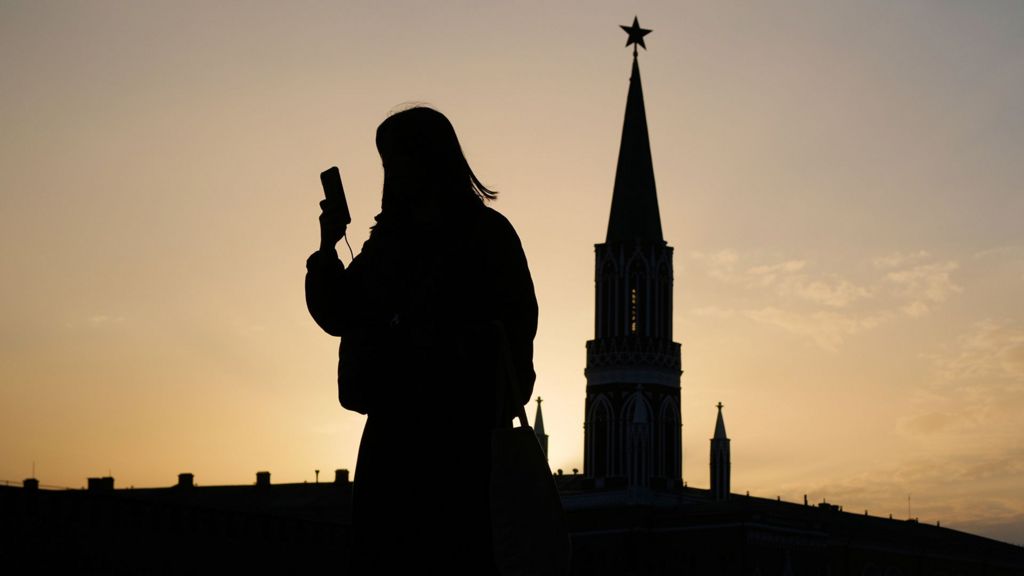
The Kremlin is rapidly constructing a digital Iron Curtain, imposing severe restrictions on internet access that have left Russian citizens struggling to maintain their businesses and daily routines.
While Vladimir Putin claims these disruptions are necessary 'operational work' to prevent terrorism and protect against drone attacks, the reality on the ground is a systematic crackdown on information.
Citizens are now facing widespread shutdowns of mobile internet and global messaging apps like WhatsApp and Telegram, while state regulators actively target the VPNs used to bypass these barriers.
For small business owners, the impact is immediate and damaging; many report lost revenue and an inability to process basic transactions as their online operations are rendered inaccessible.
Despite the government’s push for a state-controlled messenger service, the public remains deeply skeptical, viewing the move as a transparent effort to monitor private communications.
Local authorities have also moved to stifle dissent, routinely denying permits for public protests by citing bizarre excuses ranging from street cleaning to roller-skating classes.
As the regime prioritizes total control over the flow of information, public unease is bubbling to the surface, with recent surveys indicating that Putin’s approval ratings have reached their lowest point since the 2022 invasion of Ukraine.
For many Russians, the forced return to a pre-digital era of isolation is not just an inconvenience—it is a clear sign that the regime is doubling down on repression.
Tags