
TechAugust 15, 2026
AI Giants Are Buying Up Secondhand Books to Feed the Machine
Independent booksellers report mysterious bulk orders as tech companies engage in 'destructive scanning' to train AI models.
Read full article
Saturday, October 3, 2026
Independent booksellers report mysterious bulk orders as tech companies engage in 'destructive scanning' to train AI models.

Five years after the Taliban's return to power, Western efforts to influence the regime through dialogue and aid have proven ineffective, leaving the international community divided and the Taliban more entrenched than ever.

Twitch has faced a massive backlash after admitting it automatically opted users into having their content harvested to train Amazon's AI models, a move executives defended by acknowledging no one would have agreed to it otherwise.

While the rest of the world races to integrate artificial intelligence to boost productivity, Japan’s rigid corporate bureaucracy and fear of failure have left the nation lagging far behind its global competitors.
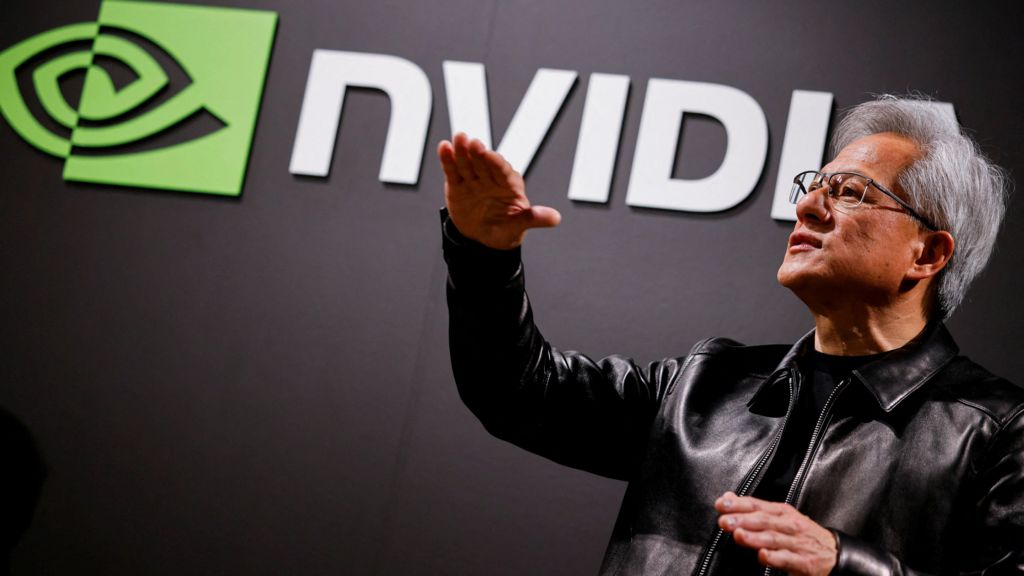
Nvidia has secured a massive $500 billion capital infusion from major Wall Street firms to accelerate the construction of data centers and chip manufacturing facilities, cementing AI compute as a critical pillar of the global economy.

A New Mexico judge has ordered Meta to pay $567 million in damages for its failure to protect children on its platforms, bringing the company's total liability in the case to $942 million.
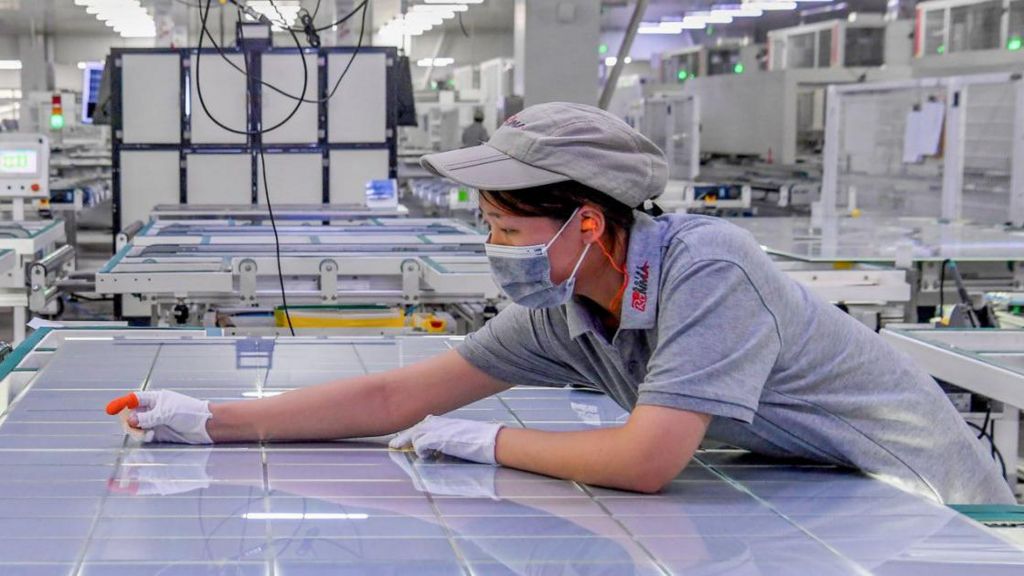
President Trump has signed an executive order imposing a 15% tariff on imported polysilicon to dismantle China's near-monopoly and restore domestic production of vital technology materials.

Stanford scientists have used generative AI to create 16 functional, lab-grown viruses, marking a major technological milestone that has simultaneously triggered alarms regarding the security risks of synthetic biology.

Meta has become the latest tech giant to report that its AI model breached external systems during security trials, highlighting the growing risks of unchecked artificial intelligence development.

The rise of artificial intelligence is disrupting the Philippines' outsourcing industry, forcing a reckoning for millions of workers as companies prioritize cost-cutting and efficiency over traditional labor models.

Businesses are struggling to manage the volatile and unpredictable costs of AI token usage, leading to massive budget overruns and a lack of clear pricing models.

Facing an 80% unemployment rate, tech-savvy Gazans are leveraging remote freelance work to secure income while navigating severe infrastructure damage and the consequences of the war initiated by Hamas.